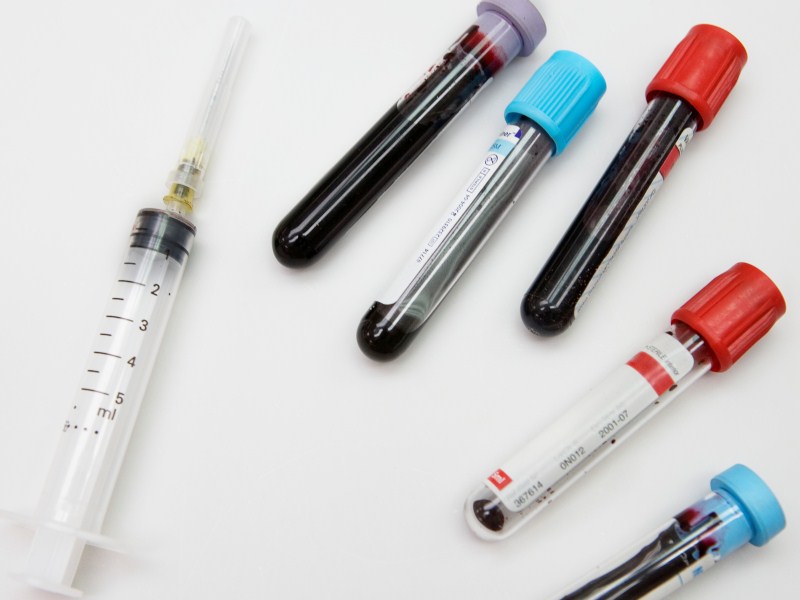
Phlebotomist technician schools are educational institutions or training programs designed to teach individuals the necessary skills and knowledge to become phlebotomists. Phlebotomists are healthcare professionals who specialize in drawing blood from patients for medical tests, blood transfusions, research, or blood donations.
Key Components of Phlebotomist Technician Schools
- Curriculum: The courses offered typically cover a variety of topics including:
- Anatomy and Physiology: Understanding the structure and function of the human body.
- Medical Terminology: Learning the language used in healthcare settings.
- Phlebotomy Techniques: Training in the procedures and methods for drawing blood safely and efficiently.
- Patient Interaction: Developing skills to communicate effectively and compassionately with patients.
- Safety and Infection Control: Learning protocols to maintain hygiene and prevent infections.
- Legal and Ethical Considerations: Understanding the legal and ethical aspects of phlebotomy.
- Practical Training: Hands-on experience is crucial. Students practice drawing blood on models before moving on to real patients under supervision.
- Certification Preparation: Many programs prepare students for certification exams offered by organizations such as the National Phlebotomy Association (NPA), American Society for Clinical Pathology (ASCP), and others.
- Program Length: The duration of these programs can range from a few weeks to several months, depending on whether the program is part-time or full-time and the depth of the training.
- Accreditation: Accredited programs ensure that the education provided meets industry standards, making graduates eligible for certification and employment.
Types of Institutions Offering Phlebotomy Training
- Community Colleges: These institutions often offer certificate programs that combine classroom instruction with practical training.
- Vocational Schools: These schools focus on providing practical, hands-on training in phlebotomy and other allied health professions.
- Hospitals and Medical Centers: Some hospitals provide in-house training programs, sometimes with job placement opportunities upon completion.
- Online Programs: Online schools offer the theoretical components of phlebotomy training online, with practical training arranged at affiliated medical facilities.
Career Outlook
Phlebotomists are in high demand due to the need for blood tests and donations in various healthcare settings, including hospitals, clinics, laboratories, and blood donation centers. The U.S. Bureau of Labor Statistics projects faster-than-average growth in employment for this field.
Attending a phlebotomist technician school is a practical pathway for individuals looking to enter the healthcare field quickly, with opportunities for career advancement through additional education and training.
