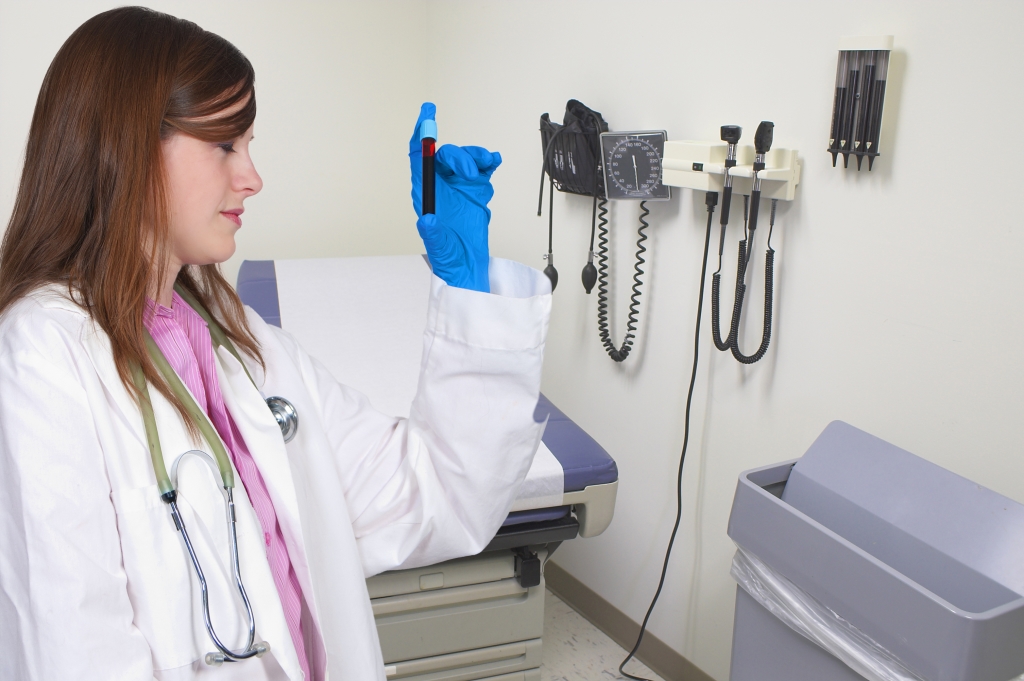
The Role of a Phlebotomist in Healthcare
Phlebotomists play a crucial role in the healthcare system by collecting blood samples from patients for various diagnostic tests and procedures. This vital job requires precision, attention to detail, and a compassionate demeanor when working with patients. If you’re considering a career as a phlebotomist, here’s everything you need to know about this rewarding profession.
What Does a Phlebotomist Do?
A phlebotomist is responsible for drawing blood samples from patients for medical testing, transfusions, donations, or research purposes. They work closely with healthcare providers to ensure that the correct samples are collected, labeled accurately, and delivered to the laboratory for analysis. Phlebotomists may also be responsible for verifying a patient’s identity, explaining the procedure, and calming nervous individuals before drawing blood.
How to Become a Phlebotomist
To become a phlebotomist, you will need to complete a phlebotomy training program, which can range from a few weeks to several months, depending on the level of certification you are pursuing. Many community colleges, vocational schools, and healthcare institutions offer phlebotomy training programs that include classroom instruction and practical hands-on experience.
After completing a training program, phlebotomists may need to pass a certification exam to become a certified phlebotomy technician (CPT). This certification is often required by employers and demonstrates that you have the necessary skills and knowledge to perform the job effectively.
Key Skills and Qualities
Successful phlebotomists possess a variety of skills and qualities that are essential for performing their job effectively. Some key skills include:
-
- Excellent communication and interpersonal skills
-
- Attention to detail and strong organizational skills
-
- Knowledge of proper blood collection techniques
-
- Empathy and compassion when working with patients
-
- Ability to work efficiently under pressure
Benefits of Becoming a Phlebotomist
There are many benefits to pursuing a career as a phlebotomist, including:
-
- High demand for qualified phlebotomists in healthcare settings
-
- Job stability and opportunities for advancement
-
- Flexible work schedules, including part-time and evening shifts
-
- The opportunity to work directly with patients and make a positive impact on their healthcare experience
First-Hand Experience
As a phlebotomist, you will have the opportunity to interact with a diverse range of patients and healthcare professionals on a daily basis. This hands-on experience can be incredibly rewarding, as you play a vital role in helping to diagnose and treat medical conditions. However, it’s important to be prepared for the challenges that come with the job, such as working in fast-paced environments and dealing with patients who may have a fear of needles.
Conclusion
Becoming a phlebotomist is a fulfilling career choice for those who enjoy working in the healthcare field and making a difference in patients’ lives. By acquiring the necessary skills and certification, you can embark on a rewarding career that offers job stability, opportunities for growth, and the chance to work directly with patients on a daily basis.
If you’re considering a career as a phlebotomist, be sure to explore training programs in your area and start building the skills and experience you need to succeed in this vital healthcare role.
