Phlebotomy Certification Courses: Everything You Need to Know
Are you interested in pursuing a career in phlebotomy? If so, obtaining a phlebotomy certification is a crucial step in achieving your goals. Phlebotomy certification courses provide the necessary training and education to become a certified phlebotomist, allowing you to work in a variety of healthcare settings such as hospitals, clinics, and blood donation centers.
What is Phlebotomy?
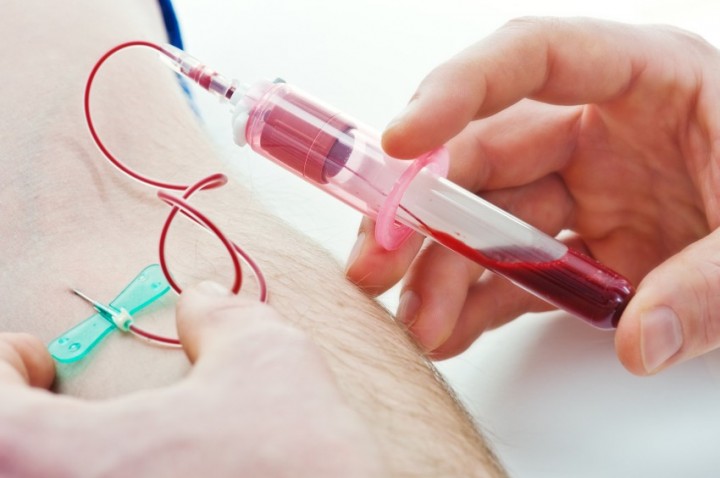
Phlebotomy is the practice of drawing blood from patients for various medical purposes, such as diagnostic testing, blood donations, and transfusions. Phlebotomists are trained professionals who are responsible for collecting blood samples safely and accurately. They play a vital role in the healthcare industry by ensuring that blood samples are properly collected and handled for testing.
Why Pursue Phlebotomy Certification?
Obtaining a phlebotomy certification demonstrates to potential employers that you have completed the necessary training and have the skills and knowledge required to perform phlebotomy procedures safely and effectively. Certification can increase your job prospects and earning potential, as many employers prefer to hire certified phlebotomists.
Phlebotomy Certification Courses
Phlebotomy certification courses are typically offered by vocational schools, community colleges, and healthcare institutions. These courses cover a wide range of topics related to phlebotomy, including anatomy and physiology, medical terminology, blood collection techniques, infection control, and patient communication. Students also gain hands-on experience through clinical practice in a healthcare setting.
Benefits of Phlebotomy Certification Courses
- Gain essential knowledge and skills in phlebotomy
- Improve job prospects and earning potential
- Meet certification requirements for employment
- Enhance patient safety and care
Practical Tips for Success
- Stay organized and manage your time effectively
- Practice blood collection techniques regularly
- Seek feedback from instructors and peers
- Stay informed about industry trends and developments
Choosing a Phlebotomy Certification Program
When selecting a phlebotomy certification program, it is important to consider the program’s accreditation, curriculum, cost, and location. Accredited programs ensure that you receive quality education and training that meets industry standards. Additionally, choose a program that offers hands-on clinical experience and prepares you for certification exams such as the National Phlebotomy Association (NPA) exam or the American Society for Clinical Pathology (ASCP) exam.
Conclusion
Phlebotomy certification courses provide the necessary education and training to become a certified phlebotomist and work in various healthcare settings. By completing a phlebotomy certification program, you can enhance your skills, improve your job prospects, and make a positive impact on patient care. Consider pursuing a phlebotomy certification today to start a rewarding career in the healthcare industry.
