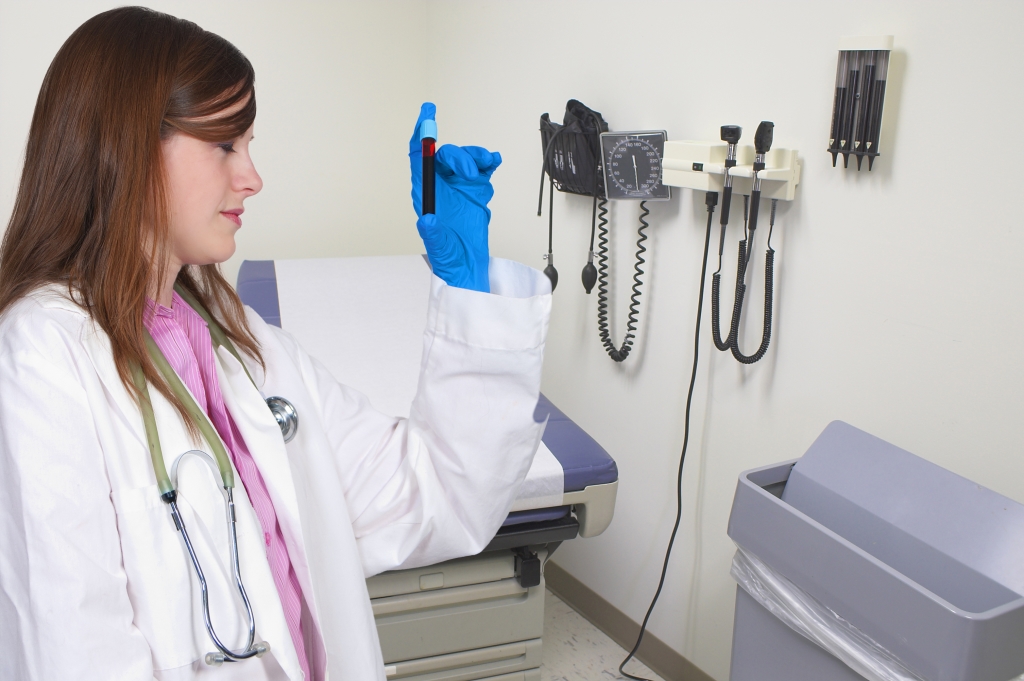
Phlebotomy is a critical part of the healthcare industry, involving the drawing of blood for testing, transfusions, donations, or research purposes. If you are interested in pursuing a career in phlebotomy, it is essential to understand the course outline and what to expect from your training.
A phlebotomy course outline typically covers a wide range of topics to equip students with the necessary skills and knowledge to perform phlebotomy procedures safely and efficiently. Let’s delve into what a typical phlebotomy course outline may look like:
Introduction to Phlebotomy:
– Overview of the phlebotomy profession
– Importance of phlebotomy in healthcare
– Ethics and professionalism in phlebotomy
Anatomy and Physiology:
– Understanding the circulatory system
- Identifying veins and arteries
– Blood composition and functions
Infection Control and Safety:
– Standard precautions and proper hand hygiene
– Personal protective equipment (PPE)
– Proper disposal of sharps and biohazard materials
Phlebotomy Equipment and Supplies:
– Types of needles and tubes
– Blood collection techniques
– Venipuncture and skin puncture
Venipuncture Techniques:
– Preparing the patient for blood draw
- Choosing the appropriate vein
– Performing venipuncture and sample collection
Specimen Handling and Processing:
– Labeling and transporting specimens
– Centrifugation and processing procedures
- Quality control and troubleshooting
Medical Terminology:
– Understanding common medical terms
– Communicating effectively with healthcare professionals
– Documenting phlebotomy procedures accurately
Clinical Experience:
– Hands-on practice in a healthcare setting
- Supervised venipuncture procedures
– Building confidence and proficiency in phlebotomy skills
Certification Exam Preparation:
– Review of phlebotomy concepts and procedures
– Practice tests and quizzes
– Tips for success on the certification exam
Beyond the Classroom:
– Professional development and networking opportunities
– Continuing education requirements
– Career options and advancement in phlebotomy
Benefits of Completing a Phlebotomy Course:
– Increased job opportunities in healthcare settings
– Competitive salary and benefits
– Ability to make a positive impact on patient care
Practical Tips for Success in Phlebotomy Training:
– Stay organized and manage your time efficiently
– Practice venipuncture techniques regularly
– Seek guidance from instructors and experienced phlebotomists
Case Study:
Sarah, a recent graduate of a phlebotomy course, landed a job at a local hospital soon after completing her training. With her newly acquired skills and knowledge, she has been able to perform venipuncture procedures with confidence and precision, earning praise from both patients and healthcare professionals.
a phlebotomy course outline is designed to provide students with a comprehensive understanding of phlebotomy principles, techniques, and best practices. By following the course outline and dedicating yourself to mastering the skills taught, you can embark on a rewarding career in phlebotomy. Remember to stay informed about industry trends, continue learning, and strive for excellence in your practice. Good luck on your phlebotomy journey!
By incorporating relevant keywords throughout the article such as “phlebotomy course outline,” “venipuncture techniques,” and “certification exam preparation,” we can enhance the visibility of this content for readers seeking information on phlebotomy training.
