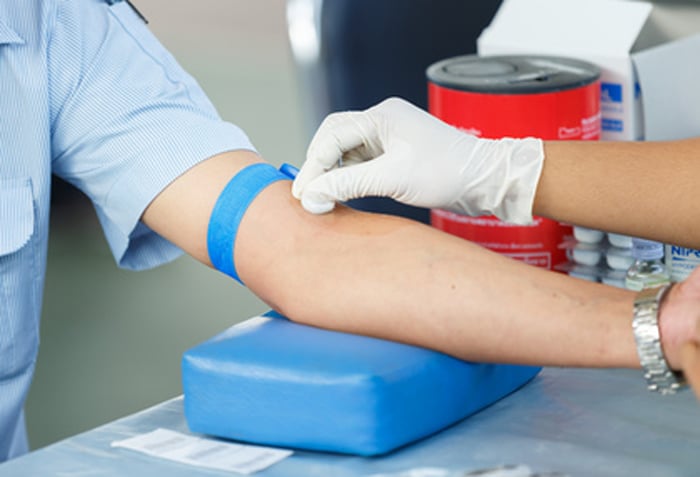
When it comes to pursuing a career in phlebotomy, having a solid understanding of the phlebotomy curriculum is essential. Phlebotomy is a critical component of healthcare, as phlebotomists are responsible for drawing blood samples from patients for diagnostic testing, blood donations, and research purposes. A comprehensive phlebotomy curriculum covers a range of topics, from anatomy and physiology to venipuncture techniques and safety procedures.
## Importance of a Comprehensive Phlebotomy Curriculum
A well-rounded phlebotomy curriculum is essential for aspiring phlebotomists to develop the necessary skills and knowledge to excel in their field. Some of the key benefits of a comprehensive phlebotomy curriculum include:
– **Hands-on Training**: A good phlebotomy program includes ample hands-on training opportunities to help students practice venipuncture techniques and gain confidence in drawing blood from patients.
– **Medical Knowledge**: Understanding the anatomy and physiology of the human body is crucial for phlebotomists to effectively collect blood samples and identify potential complications.
– **Safety Protocols**: Phlebotomy curriculum should emphasize the importance of following safety protocols and infection control measures to prevent the spread of diseases and ensure patient safety.
– **Soft Skills**: Communication and interpersonal skills are essential for phlebotomists to establish rapport with patients, explain procedures, and alleviate any fears or concerns.
A well-designed phlebotomy curriculum combines classroom instruction with practical hands-on experience to prepare students for a successful career in phlebotomy.
## Components of a Phlebotomy Curriculum
A typical phlebotomy curriculum covers a wide range of topics related to blood collection and laboratory procedures. Some of the key components of a phlebotomy curriculum include:
– **Anatomy and Physiology**: Understanding the structure and function of the circulatory system, veins, and arteries is essential for successful venipuncture.
– **Venipuncture Techniques**: Learning how to properly insert a needle into a vein, collect blood samples, and handle specimens is a fundamental aspect of phlebotomy training.
– **Medical Terminology**: Familiarity with medical terms and abbreviations used in the healthcare setting is crucial for effective communication with other healthcare professionals.
– **Infection Control**: Adhering to strict infection control protocols, including hand hygiene, wearing personal protective equipment, and proper specimen handling, is vital to prevent the spread of infections.
– **Patient Care**: Developing strong communication skills, empathy, and professionalism when interacting with patients is essential for providing quality care and ensuring patient comfort.
– **Laboratory Procedures**: Understanding the process of specimen collection, labeling, and transportation is important for phlebotomists to ensure accurate test results and maintain patient safety.
A well-rounded phlebotomy curriculum should cover these key components to provide students with the skills and knowledge necessary to excel in the field of phlebotomy.
## Sample Phlebotomy Curriculum Outline
Here is a sample outline of a phlebotomy curriculum that includes various topics and practical training components:
| Schedule | Topic | Description |
|———-|———————-|————————————————-|
| Week 1 | Introduction to Phlebotomy | Overview of phlebotomy, history, and career prospects |
| Week 2 | Anatomy and Physiology | Study of the circulatory system, veins, and arteries |
| Week 3 | Venipuncture Techniques | Hands-on practice of venipuncture techniques and needle insertion |
| Week 4 | Medical Terminology | Understanding common medical terms and abbreviations |
| Week 5 | Infection Control | Overview of infection control protocols and safety measures |
| Week 6 | Patient Care | Developing communication skills and patient interaction |
| Week 7 | Laboratory Procedures | Learning about specimen collection, labeling, and transportation |
This sample phlebotomy curriculum outline provides a structured approach to teaching the essential skills and knowledge required for a successful career in phlebotomy.
a comprehensive phlebotomy curriculum is essential for aspiring phlebotomists to develop the necessary skills and knowledge to excel in their field. By covering key topics such as anatomy and physiology, venipuncture techniques, infection control, patient care, and laboratory procedures, a well-rounded phlebotomy curriculum prepares students for a successful career in phlebotomy. Investing in quality phlebotomy education and training is crucial for aspiring phlebotomists to become competent and confident healthcare professionals in the field of phlebotomy.
