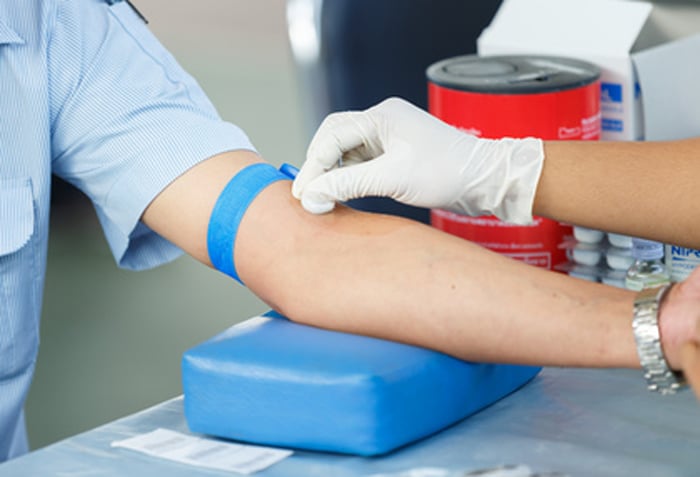
In the intricate world of healthcare, there exists a vital practice that is often overlooked but plays a crucial role in the diagnosis and treatment of patients – phlebotomy. This article delves into the art of phlebotomy, exploring its history, importance, and the skilled professionals who master the craft of drawing blood with precision and care. Join us on a journey through the veins of this fascinating medical procedure, and discover the life-saving role that phlebotomists play in the world of healthcare.
Understanding the Role of Phlebotomists in the Healthcare Setting
Phlebotomists play a crucial role in the healthcare setting, as they are responsible for drawing blood from patients for various medical purposes. One of the primary functions of phlebotomists is to collect blood samples for laboratory testing, which helps doctors diagnose and treat patients. They must follow strict protocols to ensure the safety and well-being of both the patient and themselves during the blood collection process.
Additionally, phlebotomists are also trained to handle and process blood samples correctly to maintain the integrity of the specimens. They are proficient in using a variety of techniques to draw blood, such as venipuncture and skin puncture, depending on the patient’s age and condition. Phlebotomists must possess excellent communication skills to help patients feel comfortable and at ease during the blood collection procedure.
Mastering the Art of Proper Venipuncture Techniques
Proper venipuncture techniques are essential for success in the field of phlebotomy. The skill of drawing blood from patients requires precision, finesse, and above all, a deep understanding of anatomy and physiology. Mastering these techniques not only ensures accurate results, but also minimizes discomfort for patients.
One key aspect of mastering proper venipuncture techniques is selecting the right equipment. Utilizing high-quality needles, syringes, and tubes can make a world of difference in the success of a blood draw. Additionally, understanding the anatomy of veins and how to properly position the patient can greatly improve the chances of a successful blood draw. Remember, practice makes perfect in phlebotomy, so don’t be afraid to hone your skills through repetition and hands-on experience!
Ensuring Patient Comfort and Safety During Blood Collection Procedures
| Patient Comfort Tips: |
|---|
| 1. Ensure the patient is relaxed before beginning the procedure. |
| 2. Use a comfortable chair for the patient to sit in during the blood collection. |
| 3. Offer a stress ball or distraction for the patient to focus on. |
It is crucial to prioritize patient comfort and safety during blood collection procedures. One way to ensure patient comfort is to maintain open communication throughout the process. Explain each step of the procedure to the patient and answer any questions they may have. Additionally, using a smaller gauge needle can help lessen discomfort during the blood draw.
Furthermore, prioritize safety by following proper hygiene protocols, such as wearing gloves and sanitizing the collection site before and after the procedure. Verify patient identification to prevent errors, and always dispose of sharps in a designated biohazard container. By focusing on patient comfort and safety, phlebotomists can create a positive experience for patients during blood collection procedures.
Advanced Training Opportunities for Phlebotomy Professionals
Phlebotomy professionals looking to advance their skills and knowledge in the field have a variety of training opportunities available to them. These advanced training courses are designed to provide phlebotomists with specialized training in areas such as advanced venipuncture techniques, lab tests interpretation, and infection control practices.
Some of the include:
- Advanced Venipuncture Techniques
- Laboratory Tests Interpretation
- Infection Control Practices
- Advanced Training in Pediatric Phlebotomy
Wrapping Up
As we wrap up our exploration of phlebotomy, it’s clear that this crucial medical procedure plays a vital role in our healthcare system. From drawing blood for testing and donation to helping diagnose and treat various health conditions, phlebotomists are the unsung heroes working behind the scenes to ensure the well-being of patients. So next time you roll up your sleeve for a blood draw, take a moment to appreciate the skill and dedication of the phlebotomist carrying out this important task. Remember, a small prick can make a big difference in your health journey. Thank you for reading!
