Complete Your Phlebotomy Technician BLS Certification: Essential Skills & Training Tips
If you’re aspiring to become a certified Phlebotomy Technician (PBT), obtaining your BLS (Basic Life Support) certification is a critical step. This extensive guide will walk you through teh importance of BLS certification, essential skills needed, effective training tips, and practical advice to successfully complete your certification process.
Introduction
In the healthcare field, phlebotomy technicians play a vital role in collecting and handling blood samples with precision and care. Combining phlebotomy skills with Basic Life Support (BLS) certification significantly enhances your ability to respond in emergency situations, making you a more competent and versatile healthcare professional. Achieving both certifications not only boosts your career prospects but also ensures you can provide safe, effective patient care under various circumstances.
Why Is BLS Certification Essential for Phlebotomy Technicians?
BLS certification demonstrates your proficiency in emergency response, including CPR (cardiopulmonary resuscitation), AED (automated external defibrillator) use, and managing airway obstructions. For phlebotomy technicians, this knowledge is crucial because:
- Patient safety: You can provide immediate assistance during emergencies, reducing risks.
- Workplace readiness: many healthcare facilities require BLS certification for staff involved in patient care.
- Career advancement: Certifications make your resume stand out and open doors to diverse healthcare roles.
Essential Skills for completing Your BLS Certification
Mastering key skills ensures you succeed in your BLS certification and improve overall clinical competence.
Core Skills You Need to Develop
- CPR proficiency: proper chest compressions and ventilation techniques for adults,children,and infants.
- Use of AED: Safely and confidently operating AED devices during emergencies.
- Managing airway obstructions: Effective techniques for clearing airways in unconscious patients.
- Teamwork and interaction: Coordinating with other healthcare providers seamlessly during emergencies.
- Emergency scene assessment: Recognizing signs of cardiac arrest or respiratory failure.
Training Tips for Triumphant Certification
Achieving BLS certification involves both theoretical learning and hands-on practice. Here are actionable tips to streamline your training:
1. Choose an accredited Training Provider
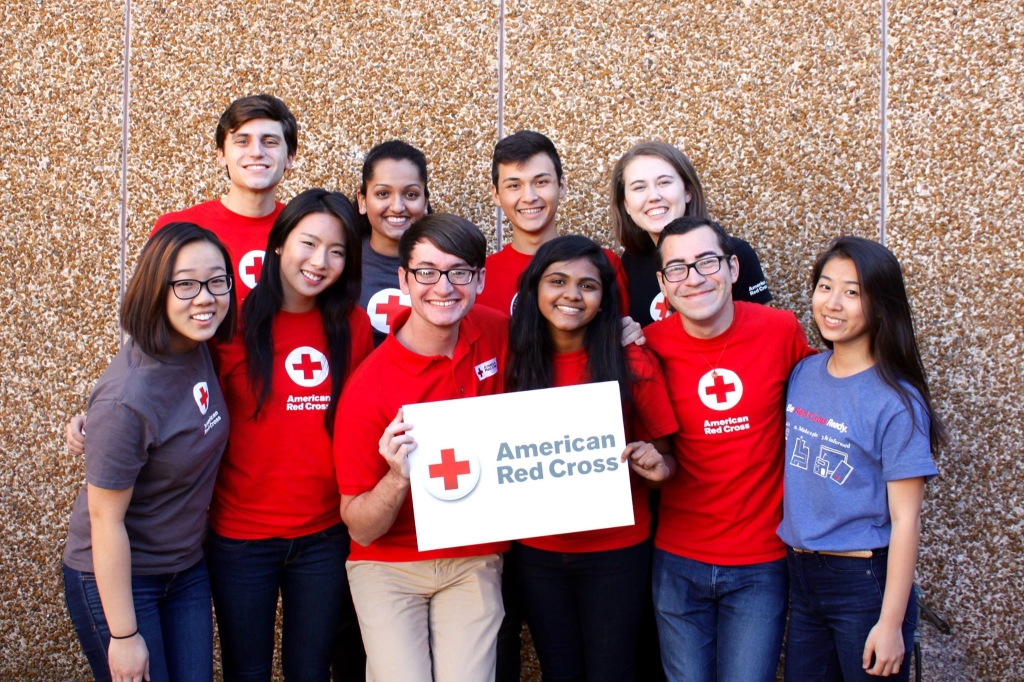
Select courses offered by recognized organizations like the American Heart Association (AHA) or the American Red Cross. Accredited courses ensure you gain valid, widely accepted certifications.
2. Prioritize Hands-On Practice
Practical experience is vital.Engage actively in simulation exercises, practice CPR on mannequins, and familiarize yourself with AED operation to build confidence.
3. study the Course Material Thoroughly
Supplement your hands-on training with comprehensive study. Use practice quizzes, online materials, and flashcards to reinforce concepts.
4. Attend Refresher Courses regularly
BLS certifications are typically valid for two years. Keep your skills sharp with periodic refresher courses to stay updated on the latest guidelines and techniques.
5. Practice Stress Management During Simulations
Simulated emergencies can be intense. Practice staying calm, focused, and methodical during drills to prepare for real-world scenarios.
Practical Skills & Knowledge Checklist
| Skill / Knowledge Area | Status |
|---|---|
| CPR for Adults, Children, Infants | Pending / Practiced / Mastered |
| use of Automated external Defibrillator (AED) | pending / Practiced / Mastered |
| Choking Management & Airway Clearance | Pending / practiced / Mastered |
| Emergency Scene Assessment | Pending / Practiced / Mastered |
| Team Coordination & Communication | Pending / Practiced / Mastered |
Benefits of Completing Your BLS Certification as a phlebotomy Technician
- Enhanced Patient Safety: Your ability to respond to emergencies improves overall patient outcomes.
- Increased Employability: Many healthcare facilities prefer or require BLS-certified staff.
- Confidence in Critical Situations: Hands-on skills make you more prepared for unexpected scenarios.
- Professional Progress: Combining phlebotomy skills with BLS certification diversifies your healthcare expertise.
- Personal Satisfaction: Gaining lifesaving skills brings a sense of accomplishment and confidence.
Real-Life Case Study: How BLS Skills Saved a Patient
Jane, a certified phlebotomy technician, was working in a busy outpatient clinic. During her shift, a patient suddenly collapsed due to a cardiac arrest. Thanks to her BLS training, Jane instantly began CPR and used the AED device. Her swift action kept the patient stable until emergency services arrived. This incident highlights the importance of having BLS skills, even in roles primarily focused on blood draws.
First-Hand Experience: What Practitioners Say
Many phlebotomy technicians who invested in BLS training share that it boosted their confidence and preparedness.Sarah, a veteran phlebotomist, notes:
“Getting my BLS certification was a game-changer. The practice drills not only taught me lifesaving techniques but also how to stay calm under pressure. I feel more equipped to handle emergencies, which gives me peace of mind every day at work.”
Conclusion
Completing your Phlebotomy Technician BLS certification is more than just a requirement-it’s a crucial component of delivering safe, competent healthcare. By developing essential skills such as CPR,AED operation,and airway management,and following effective training tips,you’ll not only advance your professional qualifications but also prepare yourself to respond confidently in emergencies. Invest in your training today, and take a significant step toward becoming a well-rounded healthcare professional capable of making a real difference when it matters most.
If you’re ready to elevate your career, start by choosing an accredited BLS course, practice diligently, and stay committed to ongoing education.Remember, your skills can save lives!
