Ultimate Guide to Phlebotomy and EKG Certification: boost Your Healthcare Career Today
Are you considering a rewarding career in healthcare? Earning a phlebotomy and EKG certification can open doors to numerous opportunities in the medical field. Whether you’re a recent graduate, looking to change careers, or seeking to add valuable skills to your resume, understanding the pathways to certification is essential. In this comprehensive guide,we will explore the meaning of phlebotomy and EKG certification,the process to obtain them,benefits,practical tips,and how to leverage these credentials to advance your healthcare career.
What is Phlebotomy?
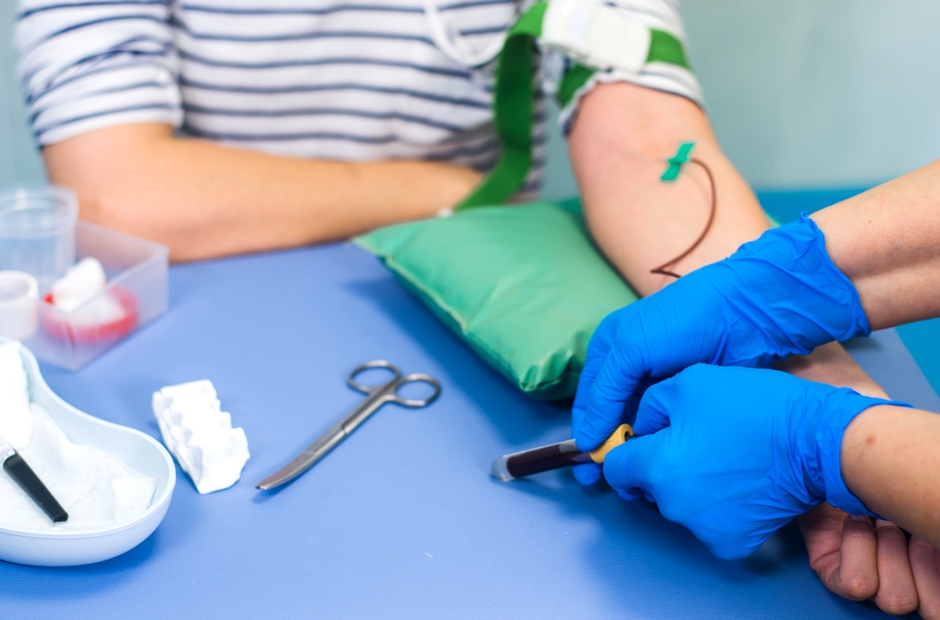
Phlebotomy involves the collection of blood samples from patients for laboratory testing, transfusions, or donations. It’s a crucial role in healthcare, requiring precision, compassion, and technical skills. Certified phlebotomists typically work in hospitals, clinics, diagnostic laboratories, and blood donation centers.
Why Get a Phlebotomy Certification?
- Enhanced Employability: Certification validates your skills and makes you more competitive in the job market.
- Higher Salary Potential: Certified professionals often command better pay.
- Legal Compliance: Many states require phlebotomy certification for employment.
- Skill Validation: Demonstrates your knowledge of safety protocols, specimen handling, and patient care.
How to Obtain Phlebotomy Certification
Getting certified typically involves completing a training program, gaining hands-on experience, and passing an exam. Here’s a swift overview:
- Choose a Recognized Program: Look for programs accredited by the National Accrediting Agency for Clinical Laboratory Sciences (NAACLS) or similar bodies.
- Complete Required Training: Usually includes classroom instruction and practical training.
- Gain Clinical Experience: Many programs require a set number of supervised blood draws.
- Pass Certification Exam: Organizations like the american Society for Clinical Pathology (ASCP) offer certification exams.
What is EKG Certification?
Electrocardiogram (EKG or ECG) certification qualifies healthcare professionals to perform and interpret cardiac monitoring tests. EKG techs work in hospitals, cardiology clinics, and diagnostic laboratories, playing a vital role in assessing heart health.
Benefits of EKG Certification
- Broadened Skill Set: Adds cardiac monitoring capabilities to your healthcare toolkit.
- Job Adaptability: Opens pathways to working in cardiology and emergency settings.
- Career Advancement: Enhances your qualifications for roles like cardiac technician or cardiology assistant.
- Increased Earning Potential: Certified EKG technicians frequently enough earn more than non-certified counterparts.
How to Obtain EKG Certification
Steps to certification include:
- Enroll in an Approved EKG Technician Program: Many community colleges and vocational schools offer these courses.
- Complete Classroom and Clinical Training: Focused on patient positioning, electrode placement, rhythm analysis, and safety.
- Pass the Certification Exam: Certified EKG technician programs often prepare you for exams by organizations like the National Healthcareer Association (NHA).
Practical Benefits and Tips for Aspiring Phlebotomists & EKG Technicians
Benefits at a Glance
| Aspect | Benefit |
|---|---|
| Job Security | High demand in healthcare facilities |
| Entry Point | Relatively short training period |
| Career Growth | Pathway to advanced healthcare roles |
Practical Tips for Success
- Choose Accredited Programs: Ensure your training provider is recognized and reputable.
- Gain Hands-On Experience: Volunteer or find internships to build confidence and skills.
- Stay Updated: Keep abreast of the latest in medical guidelines and certification requirements.
- Network: Join professional associations such as the National Phlebotomy Association (NPA) or the National Healthcareer Association (NHA).
- Develop Soft Skills: Compassion, dialogue, and attention to detail are key in healthcare roles.
Case Studies: Real Stories of Career Progression
Jane’s Journey: A certified phlebotomist, jane expanded her skills by earning an EKG certification, which allowed her to move into cardiac diagnostics. Her versatility earned her a leadership role in her clinic.
Mark’s Success: after completing his phlebotomy training, Mark gained experience in several healthcare settings, eventually becoming a healthcare technician with strong prospects for further advancement.
First-Hand Experience: What to Expect
Many students find practical training rewarding but challenging. Expect to develop proficiency in blood draws or EKG procedures, patience when working with anxious patients, and adherence to strict safety protocols. Gaining real-world experience enhances confidence and prepares you for certification exams and future job responsibilities.
Conclusion
Obtaining phlebotomy and EKG certification can significantly boost your healthcare career by expanding your skills, increasing employability, and opening doors to diverse job opportunities. Whether you’re just starting or seeking to specialize further,investing in certification is a strategic move. With the right training, dedication, and a passion for helping others, you can make a meaningful impact in the healthcare industry. Take the first step today and elevate your medical career to new heights!
Ready to launch or advance your healthcare career? Find accredited programs near you and start your journey towards phlebotomy and EKG certification today!
