Ultimate Guide to Phlebotomy Certification & Careers in Indiana: How to Get Started
Are you interested in pursuing a rewarding healthcare career in Indiana? Phlebotomy is a promising field that offers excellent job stability, flexible work environments, and the satisfaction of helping others.This complete guide will walk you through everything you need to know about phlebotomy certification, career opportunities, and how to start your journey in Indiana. Whether you’re a recent graduate or considering a career change, this article will provide valuable insights to kickstart your path in the dynamic world of phlebotomy.
What is Phlebotomy?
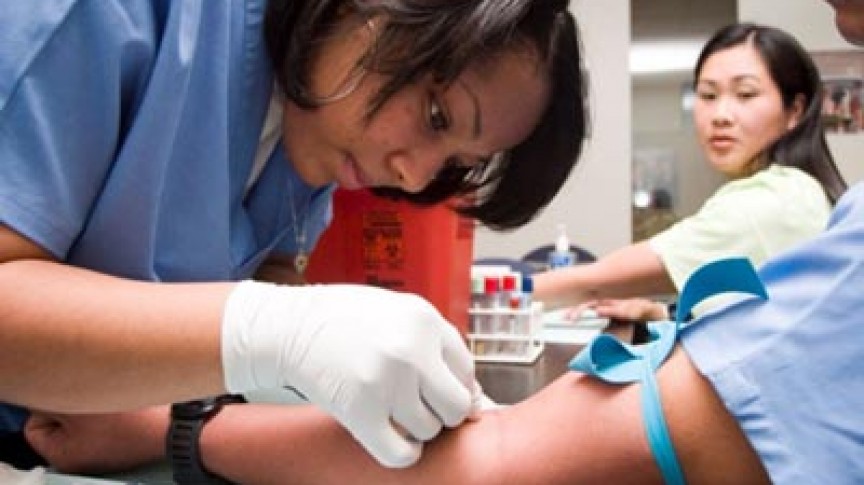
Phlebotomy is the practice of drawing blood from patients for tests, donations, or research. it requires precision, good interpersonal skills, and adherence to safety protocols.Certified phlebotomists play a vital role in healthcare facilities such as hospitals, outpatient clinics, laboratories, and blood donation centers.
Why Choose a Career in Phlebotomy?
- High demand: Growing healthcare needs in Indiana mean more job opportunities.
- Short training period: Certification can frequently enough be obtained in a few months.
- Flexibility: Work in various settings wiht flexible schedules.
- Rewarding work: Making a difference in patients’ lives.
- Competitive salary: Entry-level positions typically offer attractive pay.
Step-by-Step Guide to Getting phlebotomy Certified in Indiana
1. Meet Prerequisites
Before pursuing certification,ensure you meet basic requirements:
- High school diploma or GED
- Age 18 or older
- Clean criminal background
- Basic health screening (if required)
2. Complete a State-Approved Phlebotomy Training Program
Indiana dose not have a state-specific licensing requirement, but completing a CPT (Certified phlebotomy Technician) training program from an accredited institution is highly recommended. These programs typically include classroom instruction and hands-on practice.
3. Gain Practical Experience
Most certification programs require students to perform a set number of venipunctures and capillary collections supervised by experienced professionals. Practical experience enhances skills and confidence.
4. Obtain Certification from a Recognized Institution
The most recognized certifications include:
- American Society for Clinical Pathology (ASCP) – Certified Phlebotomy Technician (CPT)
- National Healthcareer Association (NHA) – Certified Phlebotomy Technician (CPT)
- American Medical Technologists (AMT) – Registered Phlebotomy Technician (RPT)
Applying typically involves submitting proof of training, practical experience, and passing an examination. Many certification exams are offered online or in testing centers across Indiana.
5. Maintain Certification
Most certifications require renewal every 2-3 years. Continuing education credits are frequently enough necesary to keep your certification valid.
Phlebotomy Careers and Job outlook in Indiana
Indiana boasts a robust healthcare infrastructure with numerous employment opportunities for certified phlebotomists. The job outlook is promising, with an expected growth rate well above the national average. Here are some common job titles:
- Phlebotomy Technician
- Medical Laboratory Assistant
- Blood Donor Technician
- Phlebotomy Supervisor
Salary Expectations for Phlebotomists in Indiana
| Experience Level | Average Annual Salary |
|---|---|
| Entry-Level | $30,000 – $35,000 |
| Experienced | $40,000 – $48,000 |
| Supervisor | $50,000+ |
Benefits of Becoming a Certified Phlebotomist in Indiana
- Job security in a growing healthcare sector
- Career advancement opportunities into supervisory or specialized roles
- Work-life balance with flexible schedules
- Personal fulfillment through patient interactions
Practical Tips to Succeed in Phlebotomy
- Invest in quality training: Focus on hands-on practice.
- Develop good dialog skills: Be compassionate and clear when interacting with patients.
- Stay organized: Keep records of procedures and certifications.
- Prioritize safety: Follow all safety protocols to prevent infections and complications.
- Continue education: Stay updated on latest procedures and certifications.
Case Study: Success Story of a Phlebotomist in Indiana
Maria, a 24-year-old graduate from Indianapolis, decided to pursue a phlebotomy career.After completing a certified training program and passing the NHA exam, she secured a position at a local hospital. Her dedication to patient care and continuous learning led her to a supervisory role within three years. Maria’s journey highlights the accessibility and rewarding nature of a career in phlebotomy in Indiana.
First-Hand Experience: What It’s Like to Be a Phlebotomist
Working as a phlebotomist involves more than just drawing blood; it’s about building rapport with patients, handling stressful situations gracefully, and working efficiently in fast-paced environments. many professionals report high job satisfaction due to meaningful patient interactions and the vital role they play in healthcare diagnosis and treatment.
Conclusion
Embarking on a career in phlebotomy in Indiana can be a fulfilling and financially promising choice.By following the outlined steps-meeting prerequisites,completing certified training,acquiring recognized certification,and gaining practical experience-you can open the door to numerous job opportunities in the healthcare sector.Remember, staying committed to professional development and maintaining your certification will ensure long-term success in this dynamic field. So, take the first step today toward a rewarding career in Indiana’s healthcare industry!
