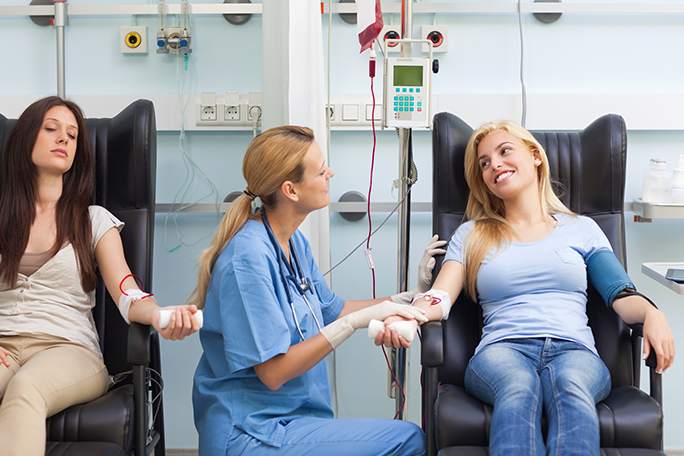
Ultimate Phlebotomy Review: Essential Insights to Pass Your Certification and Improve Patient Care
Embarking on a journey to become a certified phlebotomist? Whether you’re a new student or seeking to sharpen your skills, mastering phlebotomy is vital for ensuring patient safety, accurate diagnostics, and a accomplished healthcare career. In this comprehensive guide, we’ll explore everything you need to know-from certification tips and practical techniques to enhancing patient experiences-so you can excel in your role and advance professionally.
Why Phlebotomy Certification Matters
Obtaining phlebotomy certification not only validates your skills but also boosts patient trust and expands your employment opportunities. Certification agencies such as the National Phlebotomy Association or American Medical Technologists (AMT) set industry standards that employers value highly.
Key Skills and Knowledge for Phlebotomy success
Fundamental Skills
- Proper Venipuncture Techniques: Knowing how to locate veins and perform blood draws safely.
- Specimen handling: Correctly labeling, transporting, and processing samples.
- Patient dialog: Explaining procedures clearly and comforting anxious patients.
- Infection Control: Adhering to global precautions to prevent contamination.
- Equipment Proficiency: Using needles, tourniquets, gloves, and safety devices accurately.
Essential Theoretical Knowledge
- Understanding anatomy and physiology related to veins and blood circulation
- knowing different types of blood tests and their purposes
- Familiarity with laboratory protocols and safety regulations
Pass Your Certification Exam: Top Strategies and Practical Tips
Study Effectively
- Use reputable study guides and practice exams to familiarize yourself with question formats.
- Focus on understanding core concepts rather than rote memorization.
- Join study groups or online forums for peer support and clarification.
Practical Skills Preparation
- Practice venipuncture techniques under supervision or with simulation devices.
- learn to assemble and disassemble equipment efficiently.
- Develop a checklist for specimen collection and handling procedures.
Exam-Day Tips
- Get sufficient rest before the exam.
- Arrive early to reduce stress.
- Read questions carefully, paying attention to keywords.
- Stay calm and focused-trust your training and preparation.
Benefits of Becoming a Certified Phlebotomist
- Increased job opportunities in hospitals, clinics, labs, and mobile clinics
- Higher earning potential compared to non-certified counterparts
- Enhanced patient safety and quality of care
- Opportunities for career advancement and specialization
- Recognition as a professional committed to healthcare standards
Practical Tips for Improving Patient Care
Excellent patient care goes beyond just drawing blood. Here are some practical tips to ensure a positive experience:
- Build rapport: Smile, introduce yourself, and explain procedures clearly.
- Practice empathy: Be attentive to patient discomfort or anxiety.
- Maintain hygiene: Always wash hands and wear gloves correctly.
- Use gentle techniques: Minimize discomfort during blood collection.
- Provide post-procedure care: Apply pressure to stop bleeding and thank the patient.
Case Studies: Applying Your Skills in Real Scenarios
| Scenario | Challenge | Solution & Outcome |
|---|---|---|
| Difficult vein access due to dehydration | Increased patient anxiety and multiple sticks | Utilized Tourniquet + Vein finder, explained procedure, resulting in successful blood draw on third attempt. |
| patient with fainting history | Patient feeling lightheaded during collection | paused procedure, offered water, improved comfort, and completed sample with minimal distress. |
| contaminated specimen label | Possible rejection or errors in lab | Kept calm, retrieved correct label, re-labeled specimen properly, avoiding delays. |
First-Hand Experience and Lessons Learned
Many successful phlebotomists emphasize the importance of practice, patience, and continual learning.From my personal experience, building confidence comes with exposure to diverse patient cases and staying updated with industry standards. Remember, every blood draw is an possibility to improve your technique and patient interactions.
Final Thoughts: Your Path to Certification and Better Patient Care
Becoming a skilled and certified phlebotomist requires dedication, practice, and a genuine commitment to patient well-being. By mastering technical skills, staying informed about best practices, and fostering compassionate patient interactions, you’ll not only pass your certification exam but also excel in providing essential diagnostic services. Keep learning, stay motivated, and prioritize safety-your career in healthcare can truly make a difference.
Ready to start or enhance your phlebotomy journey? Use the insights from this ultimate review to guide your preparation and daily practice. Remember,every step you take toward certification is a step toward becoming a trusted healthcare professional!
