What is a Phlebotomist? Essential Facts About This Vital Medical Profession
Have you ever wondered about the healthcare professionals behind the scenes, performing critical blood draws and ensuring accurate laboratory results? Meet the phlebotomist – a key player in patient care and diagnostics. This extensive guide explores what a phlebotomist is, their vital role in healthcare, necessary skills, training pathways, benefits, and practical tips for those interested in pursuing this rewarding medical career.
Introduction
in today’s fast-paced healthcare surroundings, accurate diagnostic testing is essential for effective treatment. Phlebotomists serve as the vital link between patients and laboratory processes by collecting blood samples with precision and care. Whether working in hospitals, clinics, or diagnostic labs, these professionals ensure that blood specimens are collected safely, efficiently, and accurately – a job that requires skill, professionalism, and compassion.
What Is a Phlebotomist?
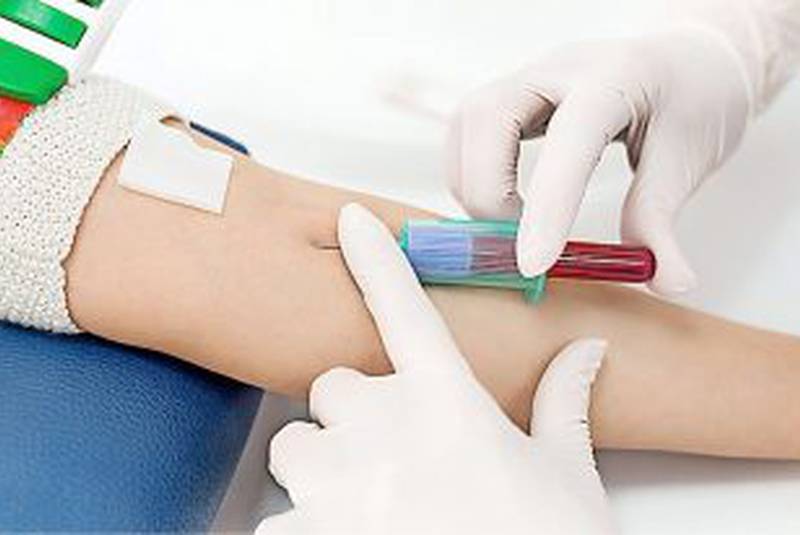
A phlebotomist is a trained healthcare professional who specializes in drawing blood from patients for laboratory testing,transfusions,research,or donations. The word “phlebotomy” originates from Greek roots: “phlebo” meaning vein and “tomy” meaning cutting or opening, but in practice, phlebotomists primarily perform venipuncture – the process of collecting blood from a vein.
Beyond just blood collection, phlebotomists also label and process samples, maintain collection equipment, and ensure patient comfort and safety during procedures. They often work closely with nurses, laboratory technicians, and physicians to facilitate accurate diagnoses and treatment plans.
Essential Responsibilities of a phlebotomist
- Preparing patients: explaining procedures, calming anxious patients, and ensuring patient comfort.
- Collecting blood samples: performing venipuncture, capillary puncture, or using other blood collection techniques.
- Labeling samples accurately: ensuring correct patient information and sample identification.
- Processing samples: centrifuging, storing, and transporting specimens properly.
- maintaining equipment: sterilizing needles, organizing supplies, and managing inventory.
- Adhering to safety protocols: following OSHA and infection control guidelines to prevent contamination.
Skills and Qualities of a Successful Phlebotomist
To excel in this healthcare profession, certain skills and personal qualities are essential:
- Attention to detail: precise sample collection and documentation.
- Good manual dexterity: steady hands for painless and accurate blood draws.
- Strong interpersonal skills: comforting anxious patients and communicating effectively.
- Ability to work under pressure: managing high patient volumes and emergency situations.
- Knowledge of safety and infection control practices: protecting both patient and healthcare worker.
Training and Certification for Phlebotomists
While requirements vary by region and employer, formal training and certification substantially enhance job prospects and credibility.Common steps include:
- Completing a phlebotomy training program: offered by vocational schools, community colleges, or hospitals, typically lasting a few months.
- Gaining hands-on experience: through supervised clinical practice.
- Obtaining certification: from recognized organizations like the American Society for Clinical Pathology (ASCP), National Phlebotomy Association (NPA), or American Certification Agency (ACA).
Benefits of Choosing a Career as a Phlebotomist
| Benefit | Description |
|---|---|
| High Demand | Growing need in hospitals, labs, and healthcare facilities. |
| Relatively Short Training | Training programs are typically completed within months. |
| Entry-Level Prospect | Good pathway into the medical field with options for advancement. |
| Rewarding Work | Contributing directly to patient care and diagnostics. |
| Flexible work Settings | Opportunities in hospitals, clinics, blood donation centers, and labs. |
Practical Tips for Aspiring phlebotomists
- Get certified: it boosts employability and credibility.
- Build strong interpersonal skills: focus on patient dialog and comfort.
- Practice your technique: develop steady hands and confidence through supervised clinical experience.
- Stay updated: keep current with new techniques and safety regulations.
- Explore career advancement: consider further education to become a laboratory technician or medical assistant.
First-Hand Experience: A Day in the Life of a Phlebotomist
Jessica,a certified phlebotomist working at a city hospital,shares her experience: “My day involves a mix of routine blood draws,emergency procedures,and patient interactions. One moment I’m carefully drawing blood from a nervous child, and the next, helping a nurse prepare samples for urgent testing. Despite the challenges, I find the work incredibly fulfilling as I know I’m helping diagnose and save lives.”
Conclusion
a phlebotomist plays a crucial role in the healthcare system by ensuring the safe and accurate collection of blood samples. This profession offers numerous benefits, including high demand, short training periods, and meaningful work. If you possess attention to detail, strong interpersonal skills, and a passion for healthcare, becoming a phlebotomist could be a rewarding career path. With proper training and certification, you’ll be well-equipped to make a difference in patients’ lives and contribute to vital medical diagnostics.
Final Words
Understanding what a phlebotomist does helps appreciate the importance of this profession in healthcare. Whether you’re considering a career change or starting your journey in the medical field, consider the opportunities and benefits that come with being a phlebotomist. With the right training and dedication, you can become a vital part of the healthcare industry and make a tangible impact on patients’ well-being.
