What Is Phlebotomy certification? A Complete Guide to Starting Your Healthcare Career
Embarking on a healthcare career can be both exciting and rewarding. One of the most accessible and in-demand roles in healthcare is that of a phlebotomist. But before you start drawing blood and helping patients, it’s crucial to understand what phlebotomy certification entails, why it’s crucial, and how to obtain it. This extensive guide will walk you thru everything you need to know about phlebotomy certification, ensuring you’re well-prepared to take the first step towards a fulfilling career in healthcare.
What Is Phlebotomy?
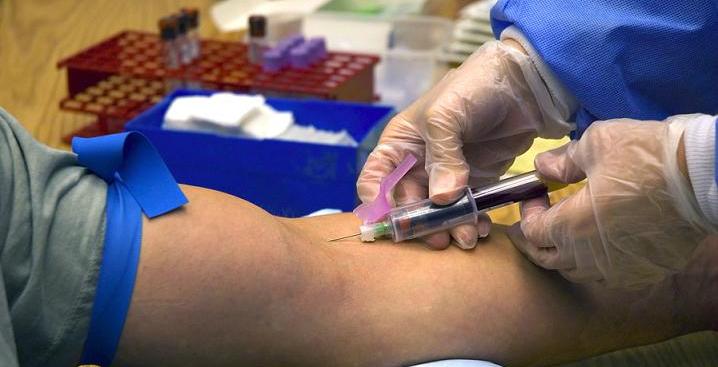
Phlebotomy is the medical procedure of drawing blood from patients for laboratory testing, blood donations, or research purposes. It is indeed a specialized skill that requires precision, attention to safety protocols, and excellent patient care. Phlebotomists work closely with healthcare professionals such as doctors and lab technicians to facilitate diagnostic and treatment processes.
Why Is Phlebotomy Certification Important?
Obtaining phlebotomy certification is essential for several reasons:
- Job Qualification: Certification verifies your competence and readiness to perform phlebotomy procedures professionally.
- Legal Requirement: Many states and employers mandate certification to work as a phlebotomist.
- Career Advancement: Certified phlebotomists have better job prospects, higher earning potential, and opportunities for specialization.
- patient Safety: Certification ensures you adhere to safety and infection control standards, reducing risks to patients and yourself.
How to Obtain Phlebotomy Certification
Becoming certified involves several steps, including meeting prerequisites, completing a training program, and passing an exam. Here’s a step-by-step breakdown:
Step 1: Meet the Basic Requirements
- High school diploma or GED
- Minimum age of 18
- Clean background check
- Basic health screening
Step 2: Enroll in a Phlebotomy Training Program
Training programs are offered at community colleges, technical schools, and healthcare training centers. The program typically covers:
- Blood collection techniques
- Anatomy and physiology
- Safety and infection control
- Patient interaction and dialog
- Legal and ethical issues
Step 3: Complete Clinical hours
Most programs require practical experience through supervised clinical practice to hone your skills in real-world settings.
Step 4: Pass the Certification Exam
Several certifying agencies offer phlebotomy certification, including:
| Certification Agency | Exam Name | Acceptance |
|---|---|---|
| National Healthcareer Association (NHA) | Certified Phlebotomy Technician (CPT) | Widely recognized in the US |
| American Society for Clinical Pathology (ASCP) | Certified Phlebotomy technician (CPP) | Highly respected |
| National Phlebotomy Association (NPA) | Registered Phlebotomy Technician (RPT) | Recognized certifications |
Step 5: Maintain Certification
Most certifications require periodic renewal, which may involve continuing education credits and recertification exams.
Key Requirements & Tips for Success
- Choose an Accredited Program: Verify that your training program is accredited by a reputable agency.
- Prepare for the Exam: Use practice tests and study guides to familiarize yourself with exam content.
- Gain Practical Experience: Seek opportunities for hands-on practice to increase confidence and skills.
- Stay Updated: Keep up with the latest standards and best practices in phlebotomy.
Benefits of Getting Certified in Phlebotomy
Certification can significantly enhance your healthcare career in numerous ways:
- Better Job opportunities: Certified technicians are preferred by employers.
- Higher Salary Potential: Certification can boost earning power.
- Professional Credibility: Validates your skills and commitment.
- Marketability: Opens doors to advancing into specialized roles or supervisory positions.
Practical Tips for Aspiring Phlebotomists
- Start with an accredited training program.
- Join professional organizations, such as the NHA or ASCP, for networking and resources.
- Practice patience and empathy: working with anxious patients requires good communication skills.
- Prioritize safety protocols to prevent contamination or injuries.
- Keep your certification current with continuing education courses.
case Studies: Success Stories in Phlebotomy
Many healthcare professionals have transformed their careers through phlebotomy certification.For example:
| Scenario | Outcome |
|---|---|
| Jane, a high school graduate with a passion for healthcare, enrolled in a community college phlebotomy program. | After certification, Jane secured a position at a local hospital and now specializes in pediatric blood draws. |
| Mark, a career changer from retail, decided to pursue phlebotomy to enter the healthcare field. | He gained certification, worked in a clinics, and is now pursuing a nursing degree. |
First-Hand Experience: what’s It Really Like?
Many certified phlebotomists describe their work as both challenging and rewarding. The key takeaways include:
- Developing a steady hand and confidence with practice.
- Gaining satisfaction from helping patients and supporting diagnostics.
- Learning to handle difficult or anxious patients professionally.
If you’re considering a career in phlebotomy, gaining certification is a critical first step. It opens doors to a promising healthcare career that is both impactful and in high demand.
Conclusion
phlebotomy certification is an essential credential for anyone aspiring to work as a phlebotomist. It not only validates your skills but also enhances your employability, earning potential, and professional reputation. Whether you’re starting fresh or transitioning into healthcare, obtaining certification through reputable agencies like the NHA, ASCP, or NPA is a smart move.
Remember to choose accredited training programs, gain practical experience, stay informed about industry standards, and maintain your certification. With dedication and the right preparation, you can successfully launch and grow a rewarding career in healthcare as a certified phlebotomist.
Ready to start your journey in healthcare?
Explore accredited phlebotomy certification programs today and take the first step toward a fulfilling career in healthcare!
