What You Need to Become a Phlebotomist: Essential Skills, Certification, and Training Tips
Introduction
Embarking on a career as a phlebotomist can be both rewarding and fulfilling, offering vital support to healthcare providers and patients alike. Whether you’re just starting your journey into the medical field or looking to specialize further, understanding what it takes to become a proficient phlebotomist is crucial. This extensive guide covers the essential skills, certification requirements, and practical training tips you need to succeed in this in-demand healthcare profession.
What Is a Phlebotomist?
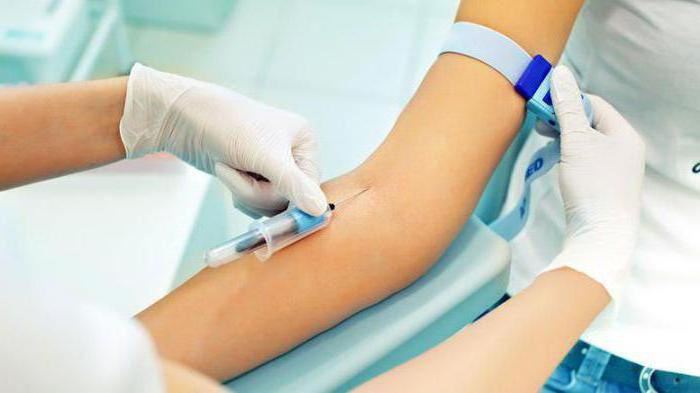
A phlebotomist is a trained healthcare professional who specializes in drawing blood from patients for laboratory testing, blood donations, transfusions, or research. Their role is critical in ensuring accurate and safe specimen collection, which can impact diagnoses and treatment plans. Due to the essential nature of their work, phlebotomists are in high demand across hospitals, clinics, labs, and blood banks.
essential Skills Needed to Become a Phlebotomist
Successful phlebotomists possess a unique blend of technical and interpersonal skills. Developing these skills is fundamental to performing blood collection procedures efficiently and compassionately.
Key Skills for Aspiring Phlebotomists
- Attention to Detail: Accurate identification of patients and proper labeling of samples prevent errors in testing and diagnosis.
- Steady Hands and Fine Motor Skills: Precision in needle insertion minimizes patient discomfort and ensures successful blood draws.
- Good Communication skills: Explaining procedures clearly and calming anxious patients build trust and cooperation.
- Empathy and Compassion: Demonstrating understanding helps ease patient fears and promotes a positive experience.
- Physical Stamina: The role often involves standing for long periods and handling multiple samples daily.
- Problem-Solving Skills: Quickly troubleshooting issues like collapsed veins or tough draws.
- Hygiene and Safety Awareness: Proper sterilization and adherence to safety protocols prevent infections and ensure safety for both patients and staff.
Certification Requirements for Aspiring Phlebotomists
While certification requirements vary by state and employer, obtaining a recognized phlebotomy certification significantly enhances your employability and credibility in the field.Certification demonstrates that you possess the necessary skills and knowledge to perform blood collection safely and effectively.
Popular Certification Programs
| Certification Body | Prerequisites | Exam focus | Validity Period |
|---|---|---|---|
| National Phlebotomy association (NPA) | High school diploma or equivalent; completed approved training | Blood draw techniques,safety protocols,patient interaction | 3 years |
| American Society for clinical Pathology (ASCP) | Approved training program and clinical experience | Specimen collection,laboratory safety,ethics | 3 years |
| National Healthcareer Association (NHA) | High school diploma or GED; completed training | Core skills,safety procedures,patient communication | 5 years |
Note: Always check state-specific requirements,as some states require licensure or specific certifications to practice as a phlebotomist.
Training Tips and Educational Path
Getting trained as a phlebotomist involves completing a certification program, which can be offered through vocational schools, community colleges, or online training providers.Here are some tips to help you succeed:
How to Become a Certified Phlebotomist
- Research Accredited Programs: Look for programs approved by recognized agencies like the National Healthcareer Association (NHA) or american Society for Clinical Pathology (ASCP).
- Complete a Formal training Program: Courses typically cover anatomy, blood collection techniques, infection control, and patient communication.
- Gain Hands-On Experience: Practical training through internships or clinical externships is essential to develop confidence and skills.
- Prepare for Certification Exams: Use practice tests and study guides to enhance your readiness.
- Pursue Certification: Pass your chosen certification exam to officially become a certified phlebotomist.
Suggested Training Topics
- Human anatomy and physiology
- Blood collection methods (venipuncture, capillary puncture)
- Infection prevention and control
- Patient care and communication
- Safety procedures and proper disposal of sharps
Benefits of Becoming a Phlebotomist
Choosing a career as a phlebotomist offers numerous advantages:
- High Demand: The healthcare industry continually needs skilled blood collection specialists.
- Quick Certification Process: Training programs can be completed in as little as a few months.
- Entry-Level Opportunities: No extensive college degree required, making it accessible.
- Flexible Work Environments: Opportunities in hospitals, clinics, mobile blood drives, and laboratories.
- Foundation for Healthcare Careers: Provides experience and skills valuable for advanced healthcare roles like laboratory technician or nurse.
Practical Tips for Success in Your Phlebotomy Career
- Stay updated with the latest safety guidelines and best practices in blood collection.
- Develop excellent communication skills to handle diverse patient populations.
- Practice patience and stay calm during challenging blood draws.
- Participate in continuing education courses to maintain certification and learn new techniques.
- Build a professional network by joining associations like the NPA or ASCP.
First-Hand Experience: A Day in the Life of a Phlebotomist
Meet Sarah, a certified phlebotomist working at a busy hospital. Her day begins with reviewing her schedule, which includes drawing blood from both adult and pediatric patients. She calmly explains procedures to anxious patients, ensuring they feel comfortable. Using her fine motor skills, she efficiently draws blood, labels samples correctly, and follows strict safety protocols.Her attention to detail and compassionate approach help her succeed in delivering high-quality patient care while contributing to accurate lab results.
Conclusion
Becoming a phlebotomist is a rewarding career choice for those interested in healthcare, patient interaction, and laboratory sciences. By developing essential skills such as attention to detail, communication, and manual dexterity, obtaining certification, and engaging in thorough training, you can embark on a successful journey in this vital healthcare field. Whether you’re starting fresh or switching careers, the path to becoming a professional phlebotomist is accessible and offers numerous opportunities for growth and contribution to patient health and well-being. Begin your journey today and make a meaningful impact in healthcare!
