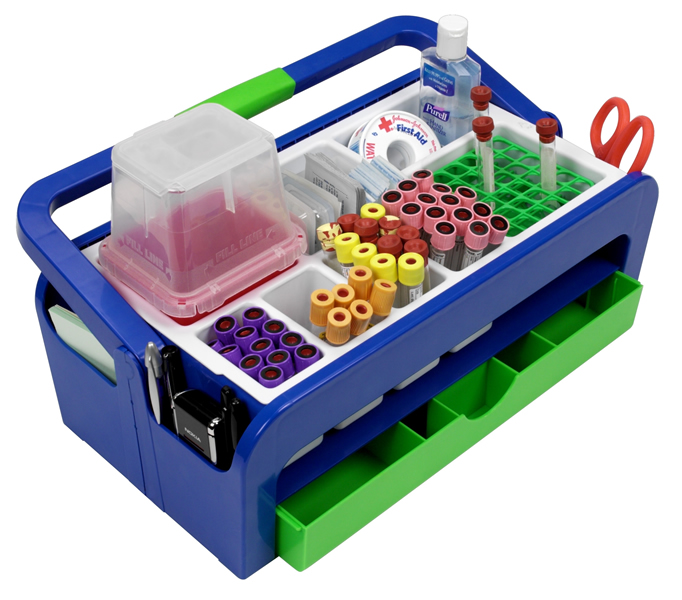
Where Can a Phlebotomist Work? Top Employment Opportunities and Careers
If you’re considering a career as a phlebotomist, you’re entering a healthcare field with numerous job opportunities across various settings. Phlebotomists play a critical role in healthcare by collecting blood samples for testing, transfusions, or donations. But where exactly can a phlebotomist work? This comprehensive guide explores the most common and exciting employment opportunities for phlebotomists, along with practical tips, benefits, and real-world insights to help you navigate your career path.
Introduction
The demand for skilled phlebotomists continues to grow due to advancements in medical diagnostics, increased healthcare services, and a focus on preventative care. As a certified phlebotomist, your job is vital to patient care, clinical research, and medical laboratories. Understanding where you can work and what employment opportunities are available can definitely help you make informed career choices and find job settings best aligned with your interests and professional goals.
Top Employment Settings for Phlebotomists
Phlebotomists are employed across a wide range of healthcare and non-healthcare environments. Below is a detailed look at the most common workplaces where phlebotomists find employment:
1. Hospitals and Medical Centers
Hospitals are one of the primary employers of phlebotomists. They handle a high volume of blood draws from inpatients and outpatients for diagnostics, transfusions, and treatments. Working in large hospital settings offers diverse experiences and opportunities for specialization.
2. Diagnostic Laboratories
Laboratories process blood and other specimens sent from healthcare providers. Phlebotomists in labs focus on sample collection, handling, and ensuring proper labeling and transport – critical steps for accurate testing results.
3. Physician’s Offices and Clinics
Many primary care physicians and specialists employ phlebotomists to assist with outpatient blood draws. These environments ofen provide a more patient-focused experience with regular interactions with healthcare providers.
4. Blood Donation centers
Blood banks and donation centers rely heavily on phlebotomists to collect blood donations. This setting offers a rewarding opportunity to contribute directly to community health by helping save lives through blood donation.
5. urgent Care and walk-in Clinics
Urgent care centers often require prompt blood collection services. Phlebotomists working here experience a fast-paced surroundings with a steady flow of diverse cases.
6. Rehabilitation and Long-term Care Facilities
some nursing homes and rehab centers employ phlebotomists to perform blood draws for ongoing health monitoring of residents, contributing to comprehensive patient care.
7. Universities and Medical schools
Research laboratories, medical schools, and universities with health programs hire phlebotomists for research projects, clinical trials, and training purposes.
Benefits of working as a Phlebotomist in Various Settings
- Diverse Work Environments: Exposure to different healthcare settings broadens skills and experience.
- Flexible Schedules: Many workplaces offer part-time, full-time, or shift work to accommodate personal needs.
- Career Advancement: Opportunities to specialize or move into related healthcare roles, such as phlebotomy supervisor or laboratory technician.
- Community Impact: Contributing to patient care and public health, especially in blood donation roles.
Practical Tips for Aspiring Phlebotomists
- Get Certified: Most employers require certification from recognized bodies like the American Society for Clinical Pathology (ASCP) or National Phlebotomy Association.
- Gain Hands-on Experience: Seek internships or externships during training to build confidence and skills.
- Develop Soft Skills: Strong communication, compassion, and attention to detail are crucial in patient interactions.
- Research Potential Employers: Consider work environment, shift options, and location to find the best fit for your career goals.
Case Study: A Day in the Life of a Hospital Phlebotomist
Jane, a certified phlebotomist working in a large metropolitan hospital, begins her shift at 7:00 AM. Throughout the day, she performs blood draws from inpatients in the emergency department, outpatient clinics, and intensive care units. Jane uses her excellent communication skills to put patients at ease, especially children and anxious adults. She collaborates with nurses and physicians to ensure samples are labeled correctly and transported promptly to the laboratory. Her attention to detail ensures accurate test results, contributing directly to patient diagnoses and treatment plans.
Conclusion
as a phlebotomist, the employment opportunities are vast and varied, spanning from hospitals and labs to blood donation centers and clinics. Understanding where you can work and the benefits of different settings can definitely help you tailor your career to your passions and lifestyle. Whether you thrive in a fast-paced hospital environment, enjoy community service at a blood bank, or prefer the personalized care of outpatient clinics, a career in phlebotomy offers rewarding prospects and meaningful contributions to healthcare. With proper certification, practical experience, and a compassionate approach, you can build a successful and fulfilling career in this vital healthcare profession.
Employment Opportunities at a Glance
| Workplace | Typical Environment | Key Responsibilities | Career Growth Potential |
|---|---|---|---|
| Hospitals | Fast-paced, high-volume | Blood draws for diagnostics and treatments | Specialization, supervisory roles |
| Diagnostic Labs | Laboratory setting | Sample collection and handling | Lab technologist roles |
| Physician Offices | Outpatient, personalized | Routine blood collection | Patient management, training |
| Blood Donation Centers | Community-focused | Blood collection and donor care | Leadership, outreach programs |
