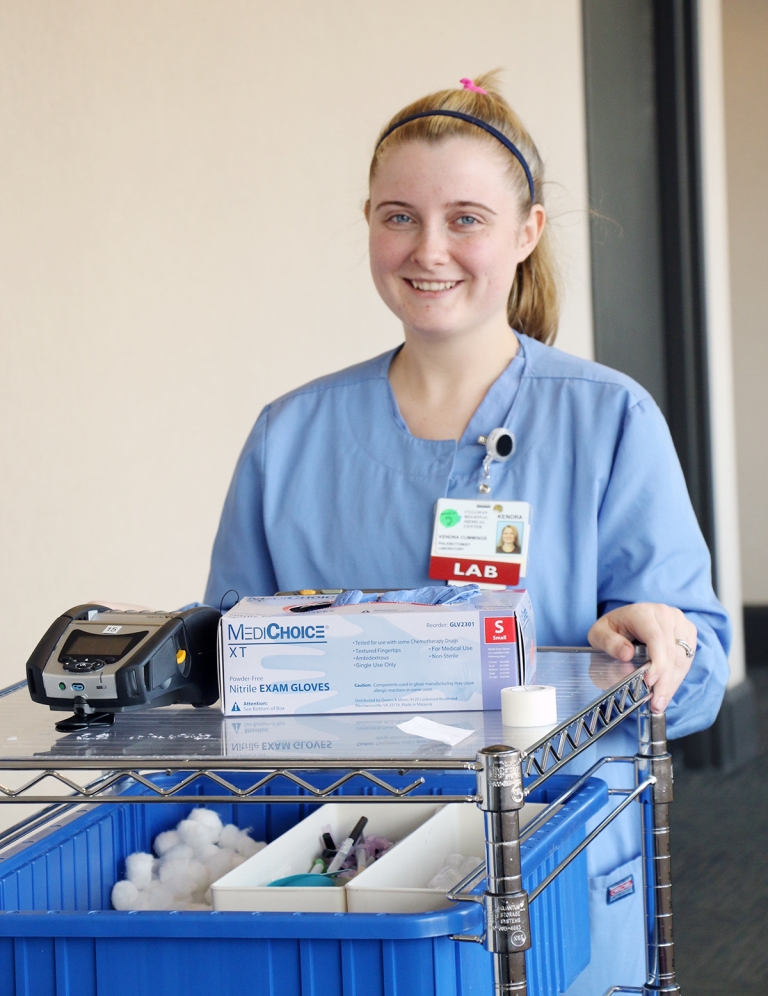
Title: Where Can Phlebotomists Work: Exploring Career Opportunities in Phlebotomy
Meta Title: Discover the various work settings for phlebotomists and find out where these healthcare professionals can make a difference.
Meta Description: Interested in pursuing a career in phlebotomy? Learn about the diverse employment options available for phlebotomists and where they can practice their skills to help patients and healthcare providers.
Introduction:
Phlebotomists play a vital role in the healthcare industry by drawing blood samples from patients for medical testing, transfusions, research, and donations. These skilled professionals are in high demand across various healthcare settings, making phlebotomy a versatile and rewarding career choice. If you’re considering a career as a phlebotomist, you may be wondering where you can work once you complete your training and certification. In this article, we’ll explore the different work settings for phlebotomists and the opportunities available in this dynamic field.
Hospitals:
Hospitals are among the most common and traditional work settings for phlebotomists. In a hospital setting, phlebotomists may work in various departments, including the emergency room, outpatient clinics, and inpatient units. They are responsible for collecting blood samples from patients of all ages and assisting healthcare providers in diagnosing and treating medical conditions. Phlebotomists in hospitals must be skilled in venipuncture techniques and have excellent communication skills to ensure patient comfort and safety during blood draws.
Clinics and Medical Offices:
Clinics and medical offices are another common work setting for phlebotomists. In these settings, phlebotomists may work alongside doctors, nurses, and other healthcare professionals to collect blood samples from patients for diagnostic testing and monitoring. Phlebotomists in clinics and medical offices must be detail-oriented and efficient in their work to ensure accurate sample collection and processing.
Laboratories:
Phlebotomists can also find employment in medical and diagnostic laboratories, where they work behind the scenes to process and analyze blood samples. In a laboratory setting, phlebotomists may be responsible for labeling and storing blood samples, preparing samples for testing, and entering data into computer systems. This work requires a high level of accuracy and attention to detail to ensure that test results are reliable and accurate.
Blood Donation Centers:
Blood donation centers are another important work setting for phlebotomists, where they play a crucial role in collecting blood donations from volunteer donors. Phlebotomists in blood donation centers must follow strict protocols and guidelines to ensure the safety and integrity of blood donations. They must also provide excellent customer service to donors to encourage repeat donations and help maintain a stable blood supply for patients in need.
Nursing Homes and Long-Term Care Facilities:
Phlebotomists can also work in nursing homes and long-term care facilities, where they may provide on-site blood drawing services for residents who require regular blood tests for monitoring chronic conditions or medication levels. Phlebotomists in these settings must be compassionate and patient-focused, as they may work with elderly or disabled patients who may have special needs or mobility challenges.
Prisons and Correctional Facilities:
Phlebotomists may also find employment in prisons and correctional facilities, where they may be responsible for collecting blood samples from inmates for health screenings, disease monitoring, and forensic purposes. Phlebotomists in these settings must have strong communication and interpersonal skills to work effectively with inmates in a secure and controlled environment.
Home Healthcare Agencies:
Some phlebotomists choose to work for home healthcare agencies, providing mobile blood drawing services for patients who are unable to travel to a medical facility for testing. These phlebotomists must be self-motivated and organized, as they may travel to multiple patient homes in a day to collect blood samples for testing. Home healthcare phlebotomists must also follow strict infection control protocols to ensure patient safety and prevent the spread of infection.
Conclusion:
Phlebotomists have a wide range of employment opportunities in various healthcare settings, from hospitals and clinics to laboratories and blood donation centers. By choosing the right work setting that aligns with your skills, interests, and career goals, you can build a fulfilling and successful career in phlebotomy. Whether you prefer working directly with patients in a hospital setting or behind the scenes in a laboratory, phlebotomy offers diverse career paths and opportunities for growth and advancement.
If you’re considering a career as a phlebotomist, explore the different work settings available to phlebotomists and find the right fit for your skills and interests. With the demand for phlebotomists on the rise, now is a great time to pursue a career in this rewarding field and make a difference in the lives of patients and healthcare providers.
