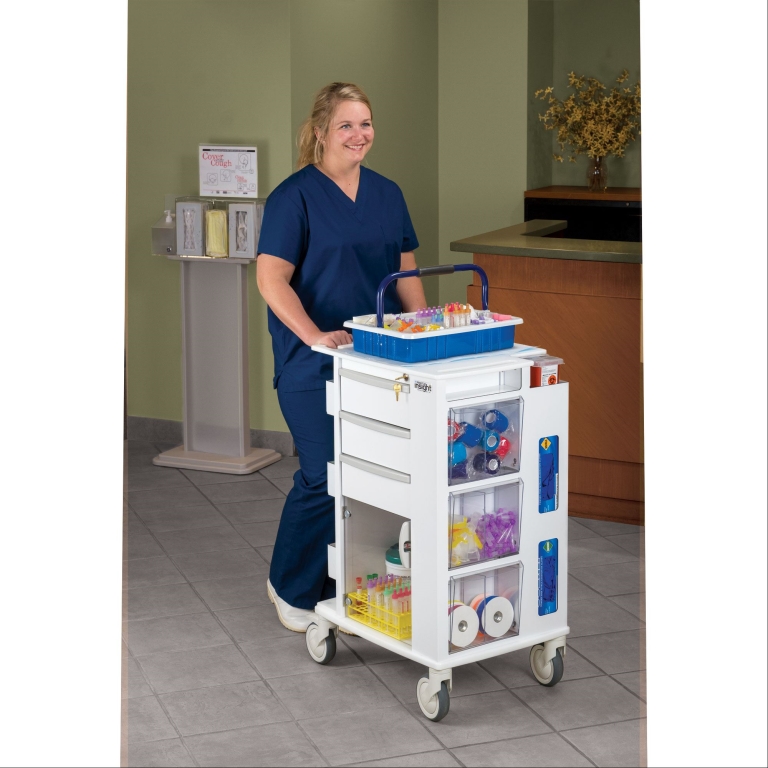
Where Do Phlebotomy Technicians Work? Top Employment Settings & Career Insights
Are you considering a career as a phlebotomy technician? Do you wonder where these vital healthcare professionals find employment? Phlebotomy technicians are essential members of medical teams, playing a critical role in specimen collection and patient care. In this comprehensive guide, we’ll explore the top employment settings for phlebotomy technicians, provide valuable career insights, and share practical tips to help you succeed in this dynamic healthcare field.
understanding the Role of a Phlebotomy Technician
Phlebotomy technicians, also known as phlebotomists, are trained to draw blood from patients for laboratory testing, blood donations, and other medical purposes. They must possess strong technical skills, excellent bedside manner, and a good understanding of safety protocols.
As demand for laboratory testing continues to grow, so does the need for skilled phlebotomy professionals across various healthcare settings.
Top Employment Settings for Phlebotomy Technicians
1.Hospitals and Medical Centers
Hospitals are among the primary employers of phlebotomy technicians. In these environments, phlebotomists work in emergency rooms, inpatient wards, outpatient clinics, and specialty departments. They often handle high patient volumes and work under tight schedules.
2. Diagnostic Laboratories
Diagnostic laboratories need trained phlebotomists to collect blood samples for testing. These labs may be part of larger healthcare networks or self-reliant businesses. Work here often involves handling specimen intake, processing, and documentation.
3. Physician Office Clinics
Many primary care and specialist clinics employ phlebotomists to assist with routine blood draws. These settings often offer more regular hours and a calmer work environment compared to hospitals.
4. Blood Donation Centers
Blood banks and donation centers rely heavily on phlebotomy technicians for donor recruitment, blood collection, and donor care. This setting often offers a kind, community-oriented atmosphere.
5. Urgent Care Centers & Walk-in Clinics
Urgent care facilities need quick and efficient blood collection services. phlebotomists in these settings must handle diverse patient populations and often work irregular hours.
6. Schools & Community Health Programs
Some phlebotomists work in school health programs or community outreach initiatives, assisting with health screenings and vaccinations that require blood testing.
Career Insights & Practical Tips for Aspiring Phlebotomy Technicians
Growing Job Market & Salary Expectations
The U.S. Bureau of Labor Statistics reports steady growth in phlebotomy employment,with a median annual salary ranging from $36,000 to $41,000,depending on location and experience. as healthcare demands increase, especially in rural and underserved areas, opportunities for employment are expanding.
Key Skills & certifications
- Certified Phlebotomy Technician (CPT) credential
- Excellent communication and patient service skills
- Attention to detail and safety awareness
- Ability to work under pressure in fast-paced environments
Benefits of Working as a Phlebotomy Technician
- Entry-level position with relatively quick training
- Opportunities to advance into supervisory or specialized roles
- Flexible work schedules, including part-time options
- Potential for steady employment in various healthcare settings
Practical Tips for Success
- Obtain proper certification from accredited programs
- Gain practical experience through internships or externships
- Maintain excellent patient interaction skills
- Stay updated with safety protocols and industry standards
- Develop good organizational and communication skills
Case Studies & First-Hand Experiences
Many aspiring phlebotomists start their careers in hospital settings, gradually moving into specialty clinics or administrative roles. Such as, Sarah, a certified phlebotomy technician, shared that working in a hospital’s emergency department helped her develop resilience and quick decision-making skills, which proved invaluable when she later transitioned to a blood donation center with flexible hours and a friendly environment.
Summary: Where Do Phlebotomy Technicians Work?
| Employment Setting | Main Role & Environment |
|---|---|
| Hospitals & Medical Centers | High volume, fast-paced, inpatient and outpatient care |
| Diagnostic Laboratories | specimen collection and processing in labs |
| Physician Offices | Routine blood draws in outpatient clinics |
| Blood Donation Centers | Community outreach, blood collection |
| Urgent Care & Walk-in Clinics | Quick, on-the-spot blood collection |
| Schools & Community Health | Health screenings and testing |
Conclusion
Whether you’re just starting your career or looking to specialize, the opportunities for phlebotomy technicians are diverse and growing. From bustling hospitals to community clinics, phlebotomists play a vital role in healthcare delivery, offering meaningful work that directly impacts patient health outcomes. Equipped with proper training, certification, and a passion for helping others, you can build a rewarding career in this essential healthcare profession. Embrace the variety of employment settings and use practical tips to succeed as a confident and skilled phlebotomy technician.
If you’re ready to take the next step in your healthcare career, consider pursuing certification and exploring the various employment opportunities highlighted here. Your skills can make a real difference in countless lives.
