How to Earn Your Phlebotomy Certification in New York: A Complete Guide for Aspiring Medical Professionals
embarking on a career in healthcare as a certified phlebotomist is an excellent way to enter the medical field adn make a real difference in patients’ lives. If you’re in New York and wondering how to become a licensed and certified phlebotomist, you’re in the right place. This comprehensive guide will walk you through every step required to earn your phlebotomy certification in New York, providing valuable tips, practical advice, and essential information geared toward aspiring medical professionals.
understanding the Role of a Phlebotomist
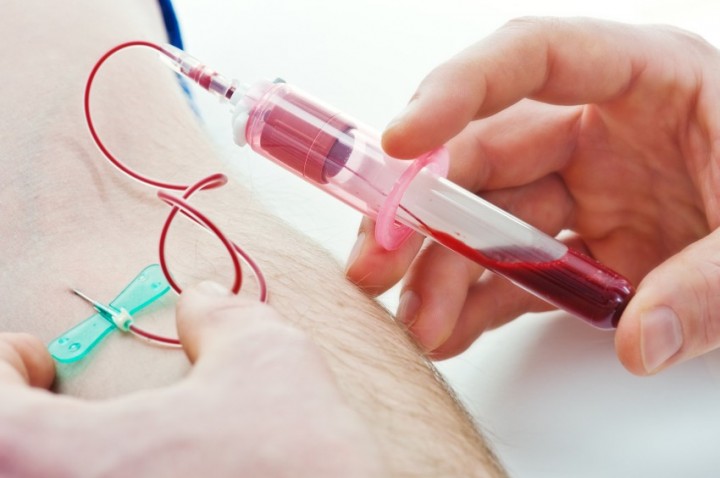
Phlebotomists are healthcare professionals trained to draw blood samples from patients for testing, transfusions, or research. They play a vital role in diagnostic processes, ensuring that blood samples are collected safely, efficiently, and with minimal discomfort to patients. Becoming a certified phlebotomist opens doors to diverse healthcare settings, including hospitals, clinics, laboratories, and blood donation centers.
Why Get Certified in Phlebotomy in New York?
- Legal Requirement: Certification is frequently enough required by employers and state law for phlebotomists in New York.
- Enhanced Credibility: Certification demonstrates professionalism and competence to employers and patients.
- Better Job Opportunities: Certified phlebotomists often enjoy higher salaries and more job options.
- Career Growth: Certification can be a stepping stone to advanced roles within the healthcare system.
Step-by-Step guide to Earning Your Phlebotomy Certification in New York
1. Meet the Basic Eligibility Requirements
Before starting your journey, ensure you meet the prerequisites:
- Age: Usually at least 18 years old.
- Education: High school diploma or GED equivalent.
- Background Check: no felony convictions impacting healthcare practice.
- Immunizations: Up-to-date with hepatitis B,MMR,and other relevant vaccines.
2. Complete a State-Approved Phlebotomy Training Program
The next crucial step is enrolling in a phlebotomy training program approved by the New York Department of Health or recognized accrediting bodies. These programs typically include:
- Classroom instruction in anatomy, safety protocols, infection control, and patient interaction.
- Hands-on practice in blood collection techniques.
- Training that fulfills the required number of clock hours (usually 40-120 hours).
3. Ensure Sufficient Practical Experience
Most programs include clinical practice where you perform blood draws under supervision. Accumulating enough practical experience prepares you for certification exams and real-world practice.
4. Pass the Certified Phlebotomy Technician (CPT) Examination
In New York, certification can be obtained through nationally recognized organizations such as:
- American Society for Clinical Pathology (ASCP)
- National Healthcareer Association (NHA)
- American Medical Certification Association (AMCA)
select a certified testing association and schedule your exam. The exam typically includes:
- Multiple-choice questions covering blood collection, specimen handling, safety, and patient communication.
- Practical presentation (if applicable).
5. Submit Your Certification Submission
After passing your exam, apply for certification through your chosen organization.You’ll need to provide:
- Proof of completed training and practical hours.
- Exam results.
- Application fee.
6.Obtain Your NY state License (if applicable)
While New York does not currently require a specific state license for phlebotomists, you must adhere to any regulations set by the Department of Health and maintain certification for employment eligibility.
Practical Tips for Success in Your Phlebotomy Career
- Prioritize Patient Care: Build trust and demonstrate professionalism.
- Practice Skills Regularly: Hands-on practice ensures confidence and proficiency.
- Stay Informed: Keep up with the latest standards and certifications.
- Network with Healthcare Professionals: Join associations and attend industry events to open career opportunities.
Benefits of Obtaining Your Phlebotomy Certification in New York
| Benefit | Description |
|---|---|
| Legal Compliance | Ensures you’re meeting state and industry standards. |
| Higher Employability | employers prefer certified professionals for safety and quality. |
| Salary Potential | Certification often correlates with higher wages. |
| Professional Growth | Opens doors for advanced certifications and roles. |
Case Studies: Success Stories from New York Aspiring Phlebotomists
MariaS Journey to Certification
Maria, a young professional in Brooklyn, completed an accredited training program and passed the ASCP certification exam within six months. She now works at a major hospital and plans to specialize in pediatric phlebotomy.
John’s Practical Tips for Aspiring Phlebotomists
John emphasizes the importance of hands-on experience and maintaining a calm demeanor. His dedication helped him pass the exam on his first attempt and land a role at a reputable laboratory.
Conclusion
Becoming a certified phlebotomist in New York is a rewarding process that opens avenues in a fulfilling healthcare career. By understanding the requirements, completing a reputable training program, and successfully passing your certification exam, you set yourself on a path to professional success.remember to stay committed, keep learning, and prioritize patient care. With dedication and the right guidance, you’ll soon be part of New York’s vital healthcare workforce, making a difference one blood draw at a time.
Ready to start your journey? Research accredited programs, prepare diligently, and take the first step toward earning your phlebotomy certification in New York today!
