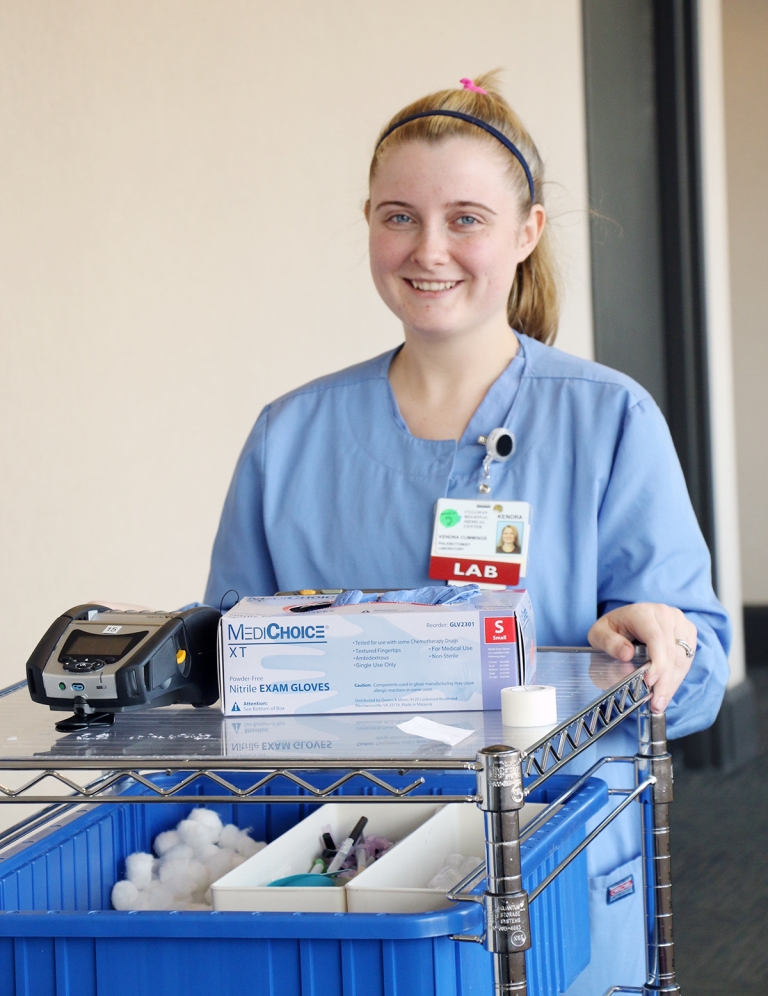
ultimate Guide to ASCP Certification in Phlebotomy: Boost Your Healthcare Career
If you’re passionate about healthcare and eager to advance your career as a phlebotomist, obtaining the ASCP certification in phlebotomy is a proven way to stand out in the competitive healthcare industry. This comprehensive guide covers everything you need to know about earning your certification, including the benefits, requirements, exam preparation tips, and real-world insights.Whether you’re just starting or looking to elevate your professional profile, this article offers valuable facts to help you succeed.
Understanding ASCP Certification in Phlebotomy
The American Society for Clinical Pathology (ASCP) offers a prestigious Phlebotomy Technician Certification (CPT) that validates your skills and knowledge in blood collection and specimen handling. Achieving this certification demonstrates your commitment to excellence and can significantly enhance your job prospects in hospitals, clinics, laboratories, and diagnostic centers.
Why Pursue ASCP Certification in Phlebotomy?
- Career Advancement: Opens doors to higher-paying positions and specialized roles.
- Professional Credibility: Recognized nationally as a standard of excellence.
- Skill validation: Confirms your competence in phlebotomy procedures and safety protocols.
- Job Security: Certified professionals are frequently enough preferred by employers.
Key Benefits of ASCP Certification
| Benefit | description |
|---|---|
| Recognition | Nationally recognized credential that validates your skills. |
| Higher Salary Potential | certified phlebotomists frequently enough earn more than non-certified counterparts. |
| Expanded Employment Opportunities | Access to diverse healthcare settings and roles. |
ASCP Certification Requirements
Before applying for the ASCP phlebotomy certification exam, ensure you meet the following eligibility criteria:
- Education: High school diploma or equivalent.
- Healthcare Experience: Completion of a recognized phlebotomy training programme or a certain number of blood collections under supervision.
- Training Hours: Typically, 40-80 hours of clinical training or a specified number of blood draws.
- Application Fee: Fee varies; check the ASCP website for current rates.
How to Prepare for the ASCP Phlebotomy Certification Exam
Proper preparation is essential for success. Here are some practical tips to help you get ready:
Study Materials
- Official ASCP Candidate Handbook
- Comprehensive review books on phlebotomy
- Online practise exams and quizzes
Practice Skills
- Gain hands-on experience thru internships or supervised training.
- Practice venipuncture and capillary collection techniques regularly.
- Review safety protocols and proper specimen handling.
Exam-Taking Strategies
- Allocate sufficient time for studying thoroughly.
- Focus on weak areas identified during practice exams.
- Stay calm and confident during the test.
Exam Format and Key Topics
The ASCP phlebotomy certification exam usually consists of multiple-choice questions covering essential areas including:
- Blood collection procedures
- Anatomy and physiology related to blood draws
- Patient interaction and communication skills
- Safety and infection control measures
- Specimen handling and processing
The exam typically lasts about 2 hours,with a passing score set by the ASCP.
Real-World Benefits and Impact of Certification
Many certified phlebotomists share that earning their ASCP credential boosted their confidence and job satisfaction. Here are some real-world impacts:
- higher Employability: Employers prioritize certified candidates.
- Professional Growth: Opportunities for specialization, such as pediatric or outgoing phlebotomy.
- Recognition: Gaining respect among peers and healthcare teams.
Practical Tips to Maximize your Success
- Create a Study Schedule: Break down topics over weeks for consistent review.
- Join study Groups: Collaborate with fellow aspiring phlebotomists for shared knowledge.
- Utilize Training Resources: Attend workshops or online courses offered by accredited institutions.
- Stay Informed: keep up with latest guidelines from CDC and OSHA.
Case Study: From Student to Certified Pro
| Scenario | Outcome |
|---|---|
| Jessica completed a 2-month phlebotomy training program and gained 50 supervised blood draws. | Passed the ASCP certification exam on the first attempt and secured a hospital phlebotomist job with a higher salary. |
| Michael studied diligently using practice exams and online resources. | Earned his credential, received recognition from his employer, and gained confidence to handle challenging patients. |
Conclusion: Take the Next Step towards a rewarding Career
obtaining the ASCP certification in phlebotomy is a strategic move that can significantly accelerate your healthcare career. It not only validates your skills but also opens doors to better job opportunities, higher earnings, and professional respect. With diligent preparation and a passionate commitment, you can achieve your certification and enjoy the numerous benefits it offers.
Ready to embark on this rewarding journey? Start by reviewing the eligibility requirements, gather your study materials, and take the first step toward becoming a certified phlebotomy technician today!
