How to Launch a Rewarding Career as a Phlebotomist: guide to Skills,Certification,and Opportunities
Introduction
Starting a career in healthcare can be incredibly rewarding,both personally and financially. Among the numerous opportunities in the medical field, phlebotomy stands out as a vital and accessible role. if you are considering a healthcare career that combines patient interaction, technical skills, and good job prospects, becoming a phlebotomist might be the perfect choice. This complete guide will walk you through the essential skills, certification requirements, career opportunities, practical tips, and insights needed to launch and thrive in a rewarding career as a phlebotomist.
What is a Phlebotomist?
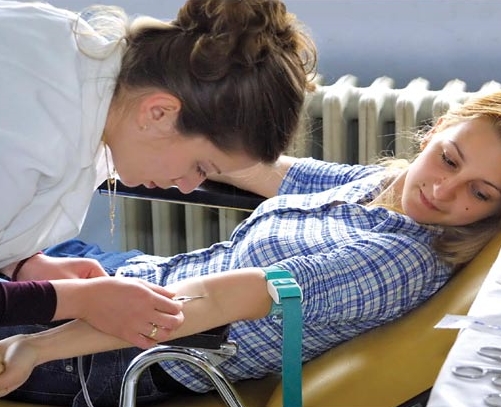
A phlebotomist is a healthcare professional trained to draw blood from patients for laboratory testing, blood donations, transfusions, and research.Their work is critical in diagnosing diseases, monitoring health conditions, and supporting medical research. The role requires precision, compassion, and adherence to safety protocols, making it a vital component of the healthcare system.
Why Choose a Career in Phlebotomy?
- High demand for professionals: the healthcare industry continually needs skilled phlebotomists, especially with aging populations and expanding medical laboratories.
- Swift entry pathway: Certification programs are typically short-term, frequently enough completed within a few months.
- Competitive salary: Entry-level phlebotomists can earn a decent income, with potential for higher pay as experience and specialization increase.
- Flexible work environments: Opportunities to work in hospitals, clinics, blood donation centers, and mobile blood drives.
- Personal fulfillment: Helping people and making a tangible impact on health outcomes.
Key Skills for Aspiring Phlebotomists
To excel as a phlebotomist, certain skills are essential. Developing these skills will make you more effective, confident, and employable:
- Technical skills: Proper venipuncture techniques, knowledge of equipment, and safety protocols.
- Communication skills: Comforting and explaining procedures to patients, especially those with needle fear or anxiety.
- Attention to detail: Correct labeling, accurate sample collection, and documentation.
- Physical stamina: Ability to stand for long periods and perform repetitive tasks.
- Steadiness and precision: Ensuring minimally invasive and pain-free blood draws.
- Problem-solving skills: Handling challenging veins or patient emergencies calmly and effectively.
- Empathy and professionalism: Building trust and providing extraordinary patient care.
Certification and Educational Pathways
Certification is a crucial step to becoming a recognized and qualified phlebotomist. While educational requirements vary by state and employer, most organizations require certification to enhance employability and demonstrate expertise.
Educational Requirements
- High school diploma or GED: The minimum educational requirement.
- Phlebotomy training program: Usually 4-12 weeks,covering anatomy,blood collection techniques,safety,and infection control.
Popular Certification Options
| Certification Program | Issuing Organization | Eligibility Requirements |
|---|---|---|
| Certified Phlebotomy Technician (CPT) | National Phlebotomy Association (NPA) | Completion of approved training and practical experience |
| Certified Phlebotomy Technician (CPT) | American Society for Clinical Pathology (ASCP) | High school diploma + 40 hours of training + 50 successful venipunctures and skin punctures |
| Certified phlebotomy Technician (CPT) | National Healthcareer Association (NHA) | Completed training + 100 successful blood collections + pass exam |
Steps to becoming Certified
- Enroll in an accredited phlebotomy training program.
- Complete the training and practicum hours.
- Apply for certification through the selected organization.
- Pass the certification exam.
- Maintain certification through continuing education (if required).
Career Opportunities and Advancement in Phlebotomy
As a certified phlebotomist, you can pursue various career pathways and specialize in different areas:
- Hospital settings: Work directly with doctors and nurses in inpatient units.
- Diagnostic laboratories: Collect samples for analysis in lab facilities.
- Blood donation centers: Assist in safe collection of blood donations.
- Mobile phlebotomy services: Visiting patients at home or workplaces.
- Specializations: Become a Certified Laboratory Assistant or pursue further education to become a medical technician or nurse.
Salary Expectations
Entry-level phlebotomists can expect to earn between $30,000 to $40,000 annually, with experienced professionals earning more, especially when working overtime or in specialized settings.
Benefits and practical Tips for Aspiring Phlebotomists
- Networking: Join professional organizations like the American Society for Clinical Pathology.
- continuous learning: Stay updated with the latest techniques and safety protocols.
- Build rapport: Develop strong communication skills for patient interactions.
- Gain practical experience: Volunteer or seek internships to enhance your hands-on skills.
- maintain professionalism: Adhere to safety and hygiene standards consistently.
First-Hand Experience: A Day in the Life of a Phlebotomist
Emma, a certified phlebotomist with two years of experience, shares:
“My day frequently enough starts with preparing the equipment, greeting patients warmly, and ensuring they feel pleasant. I’ve learned that patience and good communication can turn even nervous patients into cooperative ones. Success in this field comes from precision,empathy,and continuous learning. It’s incredibly fulfilling to help patients and support medical diagnoses.”
Conclusion
Embarking on a career as a phlebotomist offers both personal satisfaction and professional stability. By acquiring the necesary skills, obtaining the right certification, and seeking diverse opportunities, you can build a rewarding pathway in healthcare. Whether you’re just starting or looking to progress further, the field of phlebotomy provides a stable, impactful, and fulfilling career. take the first step today towards becoming a vital part of the healthcare system and enjoy the numerous benefits this profession has to offer.
Ready to Start Your Phlebotomy Journey?
If you’re eager about helping others and want a quick entry into healthcare, consider enrolling in a certified phlebotomy training program today. Your rewarding career as a healthcare hero awaits!
