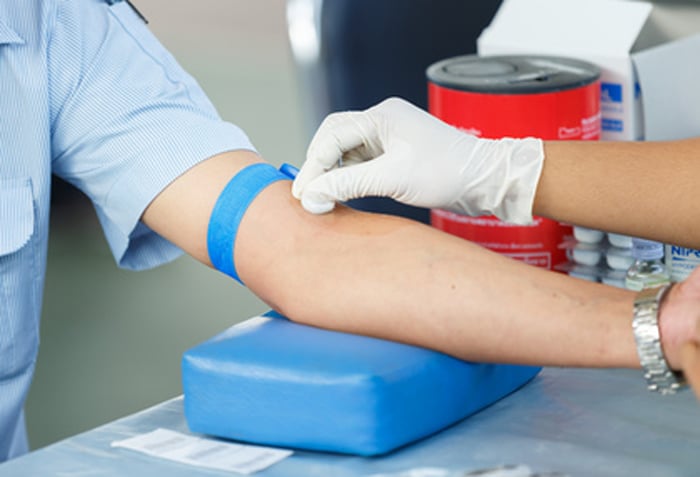
What Is a Phlebotomist? inside the Role of the Vital Blood Draw Specialist
When it comes to healthcare, many vital procedures and diagnostics rely heavily on skilled professionals known as phlebotomists. These healthcare workers play a crucial role in ensuring accurate blood collection, which in turn influences diagnoses, treatments, and overall patient care.Whether you’re considering a career as a phlebotomist or simply curious about this vital role, this comprehensive guide will shed light on what a phlebotomist does, their importance in the medical field, and what it takes to excel in this profession.
What Is a Phlebotomist?
A phlebotomist is a trained healthcare professional specializing in drawing blood samples for laboratory testing, transfusions, donations, or research purposes. The term originates from the Greek words ”phlebo” (vein) and “tomia” (cutting). Essentially, phlebotomists are the blood draw specialists who ensure that this process is safe, efficient, and as cozy as possible for patients.
The Core Responsibilities of a Phlebotomist
Phlebotomists have a variety of responsibilities that require precision, compassion, and technical skills. here are some of the key duties performed daily:
Primary duties Include:
- Performing blood draws : Using needles and syringes or vacutainer systems to collect blood samples.
- Patient identification : Confirming patient identities to ensure accuracy.
- Preparing samples : Labeling and handling blood specimens properly for laboratory analysis.
- Maintaining equipment : Ensuring needles, collection tubes, and safety devices are sterile and functioning correctly.
- Charting and documentation : Recording details of blood collection procedures in patient records.
- Patient communication : Explaining procedures, providing reassurance, and managing patient concerns.
- Handling emergencies : Managing adverse reactions like fainting or allergic responses during blood draws.
- Adhering to safety protocols : following OSHA guidelines and infection control practices to protect patients and staff.
The Skills and Qualifications of a Triumphant Phlebotomist
Becoming an effective phlebotomist requires a unique blend of technical skills and personal qualities:
Essential Skills Include:
- Strong patient communication : Ability to calm anxious or nervous patients.
- Attention to detail : Accurate sample labeling and document handling.
- Manual dexterity : Steady hands for precise needle insertion.
- Problem-solving skills : quickly adjusting techniques for challenging veins or patient conditions.
- Knowledge of anatomy : Understanding vein locations and anatomy for safe blood draws.
- Adherence to safety protocols : Following strict hygiene and safety standards.
Qualifications Needed:
- High school diploma or GED
- Completion of a formal phlebotomy training program
- Certification (recommended or required in many states) such as the Phlebotomy Technician Certification (CPT)
- CPR and first aid certification (frequently enough preferred)
Why Are Phlebotomists Vital in Healthcare?
Phlebotomists are often the first point of contact during diagnostic processes, making their role indispensable in healthcare. Proper blood collection is essential for accurate laboratory results, which influence diagnoses and treatment plans. Without skilled phlebotomists, there is a risk of sample contamination, mislabeling, or patient discomfort, all of which can compromise patient care.
Moreover, as blood tests can detect conditions early-from infections to chronic diseases-phlebotomists contribute directly to preventive medicine and ongoing health monitoring.
Benefits of Becoming a Phlebotomist
Choosing a career as a phlebotomist offers numerous advantages:
- Growing job market : High demand for blood draw specialists in hospitals, clinics, and diagnostics labs.
- Entry-level possibility : Short training programs allow fast entry into the healthcare field.
- Meaningful work : Direct patient interactions and contributions to life-saving diagnoses.
- Flexible schedules : Opportunities for part-time, full-time, or travel positions.
- Career advancement : Potential to move into supervisory roles or specialize in areas like apheresis or research.
Practical Tips for Aspiring Phlebotomists
If you’re considering becoming a phlebotomist, here are some practical tips to help you succeed:
- Get certified : Enroll in accredited training programs to boost your job prospects.
- Gain hands-on experience : Volunteer or intern at local clinics or hospitals.
- Develop strong interpersonal skills : Practice patience and empathy with diverse patient populations.
- Stay current : Keep up with the latest safety protocols and technological advancements.
- Prepare for the test : Know what to expect in certification exams by studying relevant materials.
Case study: A Day in the Life of a Phlebotomist
Jane, a certified phlebotomist working in a busy hospital outpatient lab, starts her day with a team briefing. Her duties include drawing blood from pediatric patients, managing difficult veins, and compiling samples for urgent tests. Thanks to her training and calm demeanor, she quickly builds trust with nervous children, making their experience smoother. Throughout her shift, Jane adheres to safety standards and documents each procedure meticulously.Her role not only involves technical skills but also emotional intelligence-helping patients feel at ease and confident.
Summary: The Crucial Role of a Blood Draw Specialist
a phlebotomist is more than just a blood draw technician; they are vital members of the healthcare community. Their expertise ensures that laboratories receive high-quality samples, which are fundamental for accurate diagnosis and effective treatment.With the increasing demand for diagnostic services, pursuing a career as a phlebotomist offers stability, growth, and the opportunity to make a real difference in patients’ lives.
Quick Reference Table: Phlebotomist Profile
| Aspect | Details |
|---|---|
| Average Salary | $36,000 – $50,000 annually |
| Training Duration | 4-6 months (depending on program) |
| Certification Needed | Usually required; CNAT or CPT certifications |
| Work surroundings | Hospitals, clinics, laboratories, blood donation centers |
| Job outlook | Employment growth of about 17% from 2022-2032 |
Final Thoughts
Understanding what a phlebotomist is and the significance of their work can inspire those interested in healthcare careers. Whether you are seeking to help patients directly, looking for a quick entry into the healthcare industry, or wanting to contribute to vital diagnostic processes, becoming a phlebotomist can be a rewarding pathway. With the right training, skills, and dedication, you can excel as a blood draw specialist and play a pivotal role in supporting healthcare teams and patient well-being.
