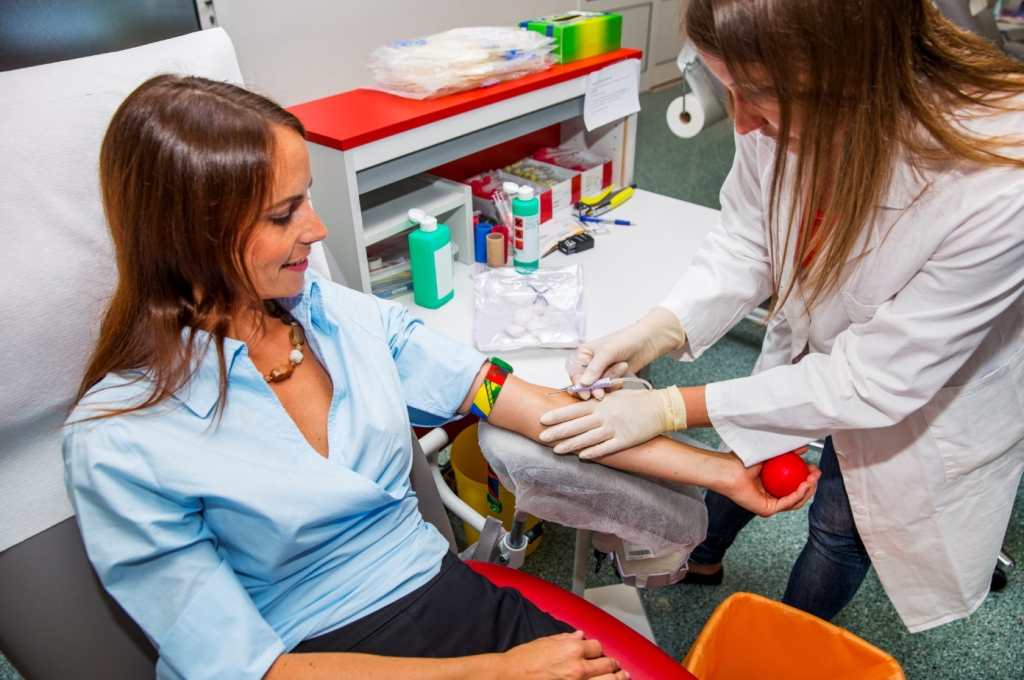
What Does a Phlebotomist Do? Essential Role, Responsibilities, and Career insights
Are you interested in a healthcare career that plays a crucial role in patient diagnosis and treatment? If so, becoming a phlebotomist might be an excellent choice. This profession involves more than just drawing blood; it requires skill, compassion, and attention to detail. In this comprehensive guide,we will explore what a phlebotomist does,their key responsibilities,benefits of pursuing this career,and practical tips for success.
Introduction
Phlebotomists serve as essential members of the healthcare team. They are responsible for collecting blood samples, which are pivotal for diagnostic testing, blood donations, and medical research. despite often working behind the scenes, their accurate and compassionate work directly impacts patient care and medical outcomes. Whether you’re contemplating a new career or simply curious about this specialized role, understanding the duties and responsibilities of a phlebotomist can shed light on this vital healthcare profession.
What Is a phlebotomist?
A phlebotomist is a trained healthcare professional trained to collect blood specimens from patients. Their primary role involves performing venipuncture – the process of drawing blood from a vein. They may work in various settings, including hospitals, clinics, blood donation centers, laboratories, and outpatient care facilities.Success in this role requires technical skills, good communication, and the ability to keep patients comfortable during the blood collection process.
key Responsibilities of a Phlebotomist
Primary Duties
- Collect blood samples using venipuncture and capillary puncture techniques.
- Label and handle samples carefully to ensure accurate test results.
- Prepare specimens for laboratory testing, including centrifuging and processing.
- Maintain sterile and safe work environments by following health and safety protocols.
Additional Tasks
- Interview patients to explain procedures and ease anxiety.
- Verify patient identities before sample collection to prevent errors.
- monitor patients for adverse reactions during and after blood draws.
- Document procedures accurately in medical records.
- Manage and maintain equipment, such as needles, tourniquets, and labels.
Skills and Qualities Needed to succeed as a Phlebotomist
| Skill/Quality | description |
|---|---|
| Attention to Detail | Ensuring proper labeling and sample handling is critical for accurate results. |
| Communication Skills | Explaining procedures clearly and comforting nervous patients. |
| Steady Hands | Performing venipuncture with precision and minimal discomfort. |
| Empathy and Patience | Dealing with anxious or fearful patients compassionately. |
| Physical Stamina | Standing for long periods and handling physical demands of the job. |
Educational and Certification Requirements
Becoming a phlebotomist typically requires a high school diploma or GED. Many aspiring professionals pursue certified training programs that include both classroom instruction and practical experience.common credentials include:
- Phlebotomy certification from organizations like the American Society for Clinical Pathology (ASCP) or National Phlebotomy Association (NPA).
- CPR or first aid certification is often recommended.
These certifications not only improve employability but also demonstrate competence and adherence to industry standards.
Benefits of a Career as a Phlebotomist
- Job Stability: Demand for phlebotomists is steadily growing, driven by an aging population and increased healthcare needs.
- Relatively Short training Period: Certification programs can frequently enough be completed within a few months.
- Entry-Level Prospect: A viable healthcare career for those starting out or seeking a career change.
- Fulfilling Work: Contributing to patient care and diagnostics offers professional satisfaction.
- Potential for advancement: Opportunities to specialize or move into related healthcare roles.
Practical Tips for Aspiring Phlebotomists
- Invest in accredited training programs to ensure comprehensive knowledge and certification.
- Develop excellent communication skills to interact effectively with diverse patients.
- Practice proper hygiene and safety protocols to prevent contamination and accidents.
- Build a calm and patient demeanor to ease patient anxiety and build trust.
- stay updated on new techniques and industry standards through continuous education.
Case Studies: Real-Life Experiences of Phlebotomists
Case Study 1: Navigating Tough Venipunctures
Jane,a certified phlebotomist,frequently enough encounters patients with challenging veins. With patience and improving her skillset, she successfully draws blood on the first try in 98% of cases, enhancing patient satisfaction and reducing discomfort.
Case Study 2: Providing Compassion to Anxious Patients
Mike specializes in working with pediatric patients and anxious adults. His calming approach and clear explanations help reduce fear, making blood draws less stressful for everyone involved.
First-Hand Experience: A Day in the life of a Phlebotomist
On a typical day, a phlebotomist may perform dozens of blood draws, manage patient schedules, and ensure accurate labeling. The role can be physically demanding but highly rewarding, especially when patients thank you for easing their anxiety or assisting with critical diagnoses.
Conclusion
what does a phlebotomist do? They are vital healthcare professionals responsible for collecting blood samples that are essential for diagnosis,treatment,and research. Their responsibilities include patient interaction, specimen collection, safety maintenance, and record documentation.With a growing demand for healthcare providers, a career as a phlebotomist offers a rewarding pathway with relatively short training requirements, excellent job stability, and the opportunity to make a tangible difference in patient lives.
If you are interested in entering the healthcare field with a role that combines technical skills and compassionate patient care, becoming a phlebotomist could be the perfect fit. Pursue proper training, stay committed to learning, and embrace the rewarding journey of supporting health and wellness every day.
