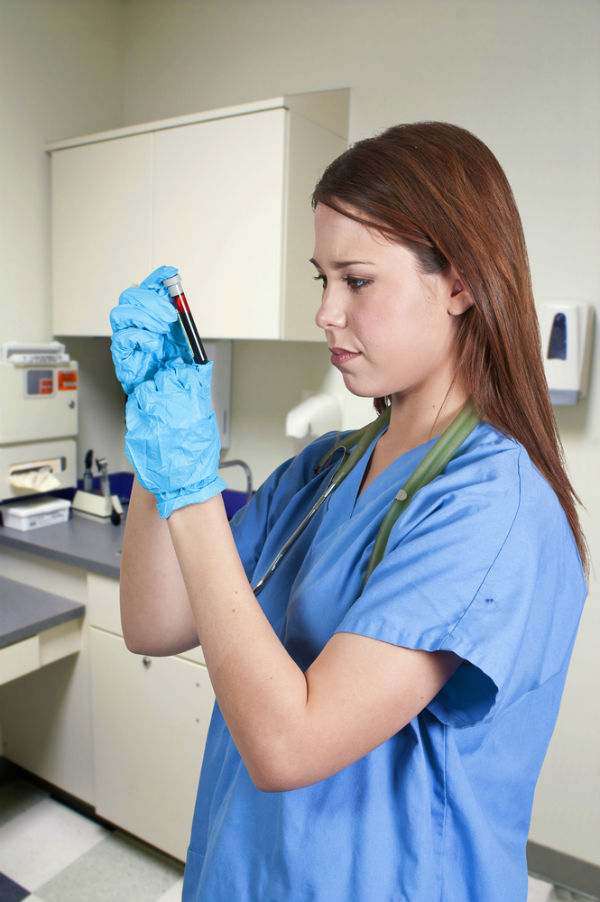
What Is Phlebotomy? A Complete Guide to the procedure,Skills,and Career Benefits
Are you curious about the healthcare field or considering a career in medical laboratory work? One fundamental skill that plays a critical role in diagnostic testing and patient care is phlebotomy. This extensive guide will explore what phlebotomy is, the detailed procedure involved, essential skills needed for success, practical benefits, and the promising career opportunities it offers. Weather you’re a student, aspiring healthcare professional, or simply interested in medical specialties, understanding phlebotomy is essential for grasping the backbone of clinical diagnostics.
What Is Phlebotomy?
Phlebotomy refers to the practice of drawing blood from patients or donors for laboratory testing, transfusions, or blood donations. Derived from Greek roots meaning ‘vein’ (phlebo) and ‘cutting’ or ‘incision’ (tomy), phlebotomy is a specialized skill within healthcare designed to obtain high-quality blood samples efficiently and safely.
In modern medicine, phlebotomy isn’t just about collecting blood-it’s about ensuring patient comfort, maintaining safety protocols, and obtaining accurate samples for diagnostic testing.Certified phlebotomy technicians are vital members of health care teams who operate in hospitals, clinics, labs, blood banks, and even mobile collection units.
The Phlebotomy Procedure: Step-by-Step Overview
Understanding the step-by-step process involved in phlebotomy helps clarify what this essential healthcare activity entails. Here’s a simplified breakdown:
- Patient preparation: Verifying patient identity, explaining the procedure, and ensuring comfort.
- Gathering Equipment: Assembling needles, collection tubes, alcohol swabs, tourniquet, gloves, and labels.
- Locating the Vein: Applying the tourniquet and palpating to find a suitable vein.
- Disinfecting the Area: Cleaning the site with alcohol to prevent infection.
- Inserting the Needle: Carefully inserting the needle into the vein at the correct angle.
- Collecting Blood: Filling the appropriate number of tubes and monitoring patient response.
- Removing the Needle: Releasing the tourniquet, withdrawing the needle, and applying pressure.
- Labeling and Transporting: Properly labeling samples and sending them to the laboratory.
This process, though seemingly straightforward, demands precision, technical skill, and empathy to make the experience comfortable for patients.
Safety and hygiene Protocols
- Always wear gloves to protect against bloodborne pathogens.
- Use sterile equipment and dispose of sharps properly.
- Follow the OSHA guidelines for infection control.
Skills Required to Become a Proficient Phlebotomist
Becoming an effective phlebotomy technician requires a combination of technical skills, interpersonal skills, and attention to detail. Here are some of the core skills needed:
- Technical Dexterity: Skillful handling of needles, tubes, and collection equipment.
- Attention to Detail: Accurately labeling and recording samples to prevent errors.
- Dialogue Skills: Explaining procedures clearly and reassuring nervous patients.
- Patience and Empathy: Comforting patients and managing challenging situations.
- Knowledge of Anatomy and Safety Protocols: Understanding vein locations and infection control.
Training and Certification
Most countries require phlebotomists to complete formal training and obtain certification. The training programs cover anatomy, blood collection techniques, safety protocols, and patient interaction skills. Certification not only enhances credibility but also broadens employment opportunities.
Benefits of a Career in Phlebotomy
Starting a career in phlebotomy offers numerous advantages,making it an attractive option for many healthcare enthusiasts:
- High Demand: The growing need for diagnostic testing ensures steady job opportunities.
- Relatively Short Training Period: Certification programs can often be completed within a few months.
- Entry-Level Kind: No extensive college education is necessary to start working as a phlebotomist.
- Rewarding Work: Directly helping patients and supporting medical diagnosis creates a fulfilling career.
- Flexible Work Settings: Opportunities in hospitals, clinics, blood banks, and mobile draws.
Practical Tips for Aspiring Phlebotomists
- Practice yoru vein-puncture technique regularly in training labs.
- Develop excellent communication skills for patient comfort.
- Stay updated on safety standards and new blood collection technologies.
- Build a professional network through certification and industry associations.
Real-Life Case Studies and Personal Experiences
Case Study: Overcoming Difficult Veins
One common challenge for phlebotomists is drawing blood from patients with difficult veins. in such cases, seasoned phlebotomists use specialized techniques, like employing smaller gauge needles or warming the site to enlarge veins, thereby ensuring successful blood collection without discomfort.
Personal Experience: A Day in the Life
Many phlebotomists describe their workdays as highly rewarding-meeting diverse patients, honing their technical skills, and playing a vital role in medical diagnosis. The sense of accomplishment after successfully drawing blood from a nervous patient often makes this career deeply satisfying.
Practical Tips for Aspiring phlebotomy Professionals
- Stay Calm and Patient: Patience and calmness are key when dealing with anxious or difficult patients.
- Enhance Your Skills: Continually practice vein puncture techniques and stay updated on industry standards.
- Prioritize Safety: Always follow safety protocols to protect yourself and your patients.
- Seek Certification: Obtain reputable certification to increase employability and credibility.
Conclusion
Phlebotomy is a vital healthcare skill that bridges the gap between patient care and diagnostic accuracy. Mastering the procedure requires technical proficiency,compassionate communication,and strict adherence to safety standards. For those seeking a rewarding career with relatively quick entry and high demand, becoming a certified phlebotomist offers an excellent pathway into the medical field. Whether you’re just starting or looking to advance your healthcare journey, understanding what phlebotomy entails can open doors to numerous professional opportunities and meaningful work helping others.
Additional resources
| Resource | Description |
|---|---|
| National phlebotomy Board | Certification and training guidelines |
| Medical Training Programs | Local community colleges offering courses |
| Online Phlebotomy Courses | Flexible learning options for busy schedules |
